The right type of feed and feeding time for caring for discus fish
Choosing the right feed and feeding schedule is essential for keeping discus fish healthy, vibrant, and stress-free. Discus (Symphysodon spp.) are fastidious eaters with specific nutritional needs and sensitivity to water quality. Below are practical guidelines on feed types, rationing, and timing to optimize growth, color, and overall health.
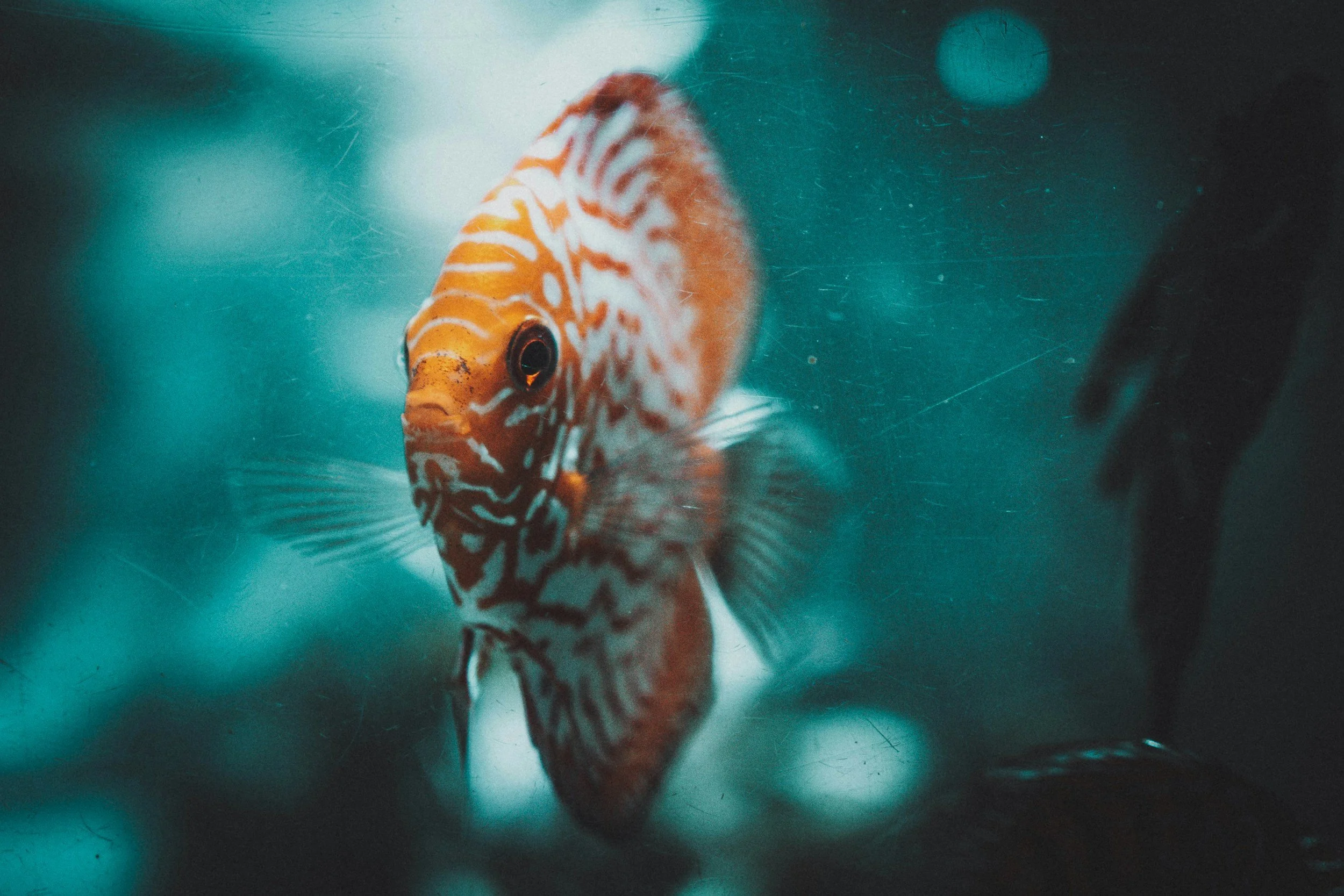
discus fish
Feed Types
High-quality commercial discus pellets or granules
Use formulations specifically labeled for discus when possible; these contain higher protein and essential fatty acids.
Look for stable sinking or slowly sinking pellets so fish can feed comfortably in mid-water or near the bottom.
Ingredients to prefer: fish meal, shrimp meal, squid, krill, spirulina (for color), and stabilized vitamins.
Frozen and live foods (important for variety and nutrition)
Bloodworms, blackworms, brine shrimp, mysis shrimp, and daphnia are excellent choices.
Frozen foods are safer than live for reducing parasites; thaw and rinse frozen foods before feeding.
Fresh or prepared mixes
Homemade or commercial mixes (ground fish, shrimp, spinach, garlic, vitamin supplements) can boost nutrition but must be prepared under strict hygiene and fed quickly.
Vegetables and plant matter
Blanched spinach or peas can be offered occasionally for fiber and digestion.
Spirulina-enriched feeds help enhance red and blue coloration.
Avoid
Cheap flakes and feeds with excessive fillers or plant-based proteins as sole diet.
Unfrozen live feeder fish (risk of disease).
Feeding Frequency and Timing
Juveniles (growing fish, up to about 6–12 months)
Feed small portions 3–5 times per day.
Frequent feedings support rapid growth and development but keep portions small to avoid water quality issues.
Sub-adults and adults
Feed 2–3 times per day.
Twice daily is often sufficient for stable adult maintenance; three times can improve condition during breeding or recovery.
Breeding pairs and conditioning
Increase to 3–4 small feedings using high-protein frozen/live foods to condition for spawning.
Time of day
Morning and late afternoon/early evening are ideal. Discus are most active during these periods.
Keep feed times consistent each day to establish routine and reduce stress.
Portion control
Feed only what the fish can consume within 2–3 minutes per feeding.
Overfeeding leads to poor water quality and disease; remove uneaten food within 5 minutes.
Feeding Practices to Protect Water Quality
Remove uneaten food promptly (siphon waste if needed).
Use a feeding ring or target feeding (tweezers) for specific fish to reduce waste.
Maintain strong filtration and perform frequent water changes—discus prefer very clean, warm water.
Consider spot-feeding shy or low-ranking fish to ensure all individuals get adequate nutrition.
Temperature and Metabolism
Discus are tropical fish; higher temperatures (82–86°F / 28–30°C) increase metabolism and appetite.
If water temperature is lower, reduce feeding frequency and portions accordingly.
Special Considerations
Soaking or pre-soaking dry pellets briefly can prevent digestive issues and reduce clouding of water.
Rotate foods regularly to provide balanced nutrients and prevent deficiencies—alternate pellets with frozen/live foods and vegetable matter.
Use vitamin supplements (liquid or food-dusted) occasionally, especially during stress, illness, or conditioning for breeding.
Quarantine new fish and observe feeding response before introducing new feeds into the main tank.
Sample Daily Feeding Schedule
Juveniles: 3–5 small feedings (e.g., 8:00 AM, 12:00 PM, 4:00 PM, 7:00 PM)
Adults: 2–3 feedings (e.g., 9:00 AM and 6:00 PM; add 1 PM if conditioning)
Breeding/conditioning: 3–4 feedings emphasizing frozen/live high-protein items
Signs Your Feeding Routine Needs Adjustment
Bulging bellies, bloating, or constipation — feed less or offer fiber (blanched peas).
Loss of color or poor growth — increase quality protein and feeding frequency (careful with water quality).
Increased algae or cloudy water — reduce portions, improve filtration, and increase water changes.
Aggression at feeding times — distribute food to different spots or spot-feed.
Summary
Feed discus a varied, high-protein diet centered on quality discus pellets and supplemented regularly with frozen or live foods. Juveniles require more frequent small feedings (3–5/day), while adults do well on 2–3 meals daily. Keep a consistent schedule, avoid overfeeding.