

This website page describes information about freshwater and seawater ornamental fish, as well as information about freshwater fish farming in which it describes how the characteristics of these fish, how to maintain, technology, feed, water quality, disease, harvesting and other information that is useful for readers.

Sustainable Tilapia Aquaculture
Sustainable tilapia aquaculture refers to the practices involved in the farming of tilapia fish while minimizing environmental impact, ensuring economic viability, and providing social benefits. Tilapia is a popular fish due to its adaptability, growth rate, and nutritional value, making it a key species in aquaculture
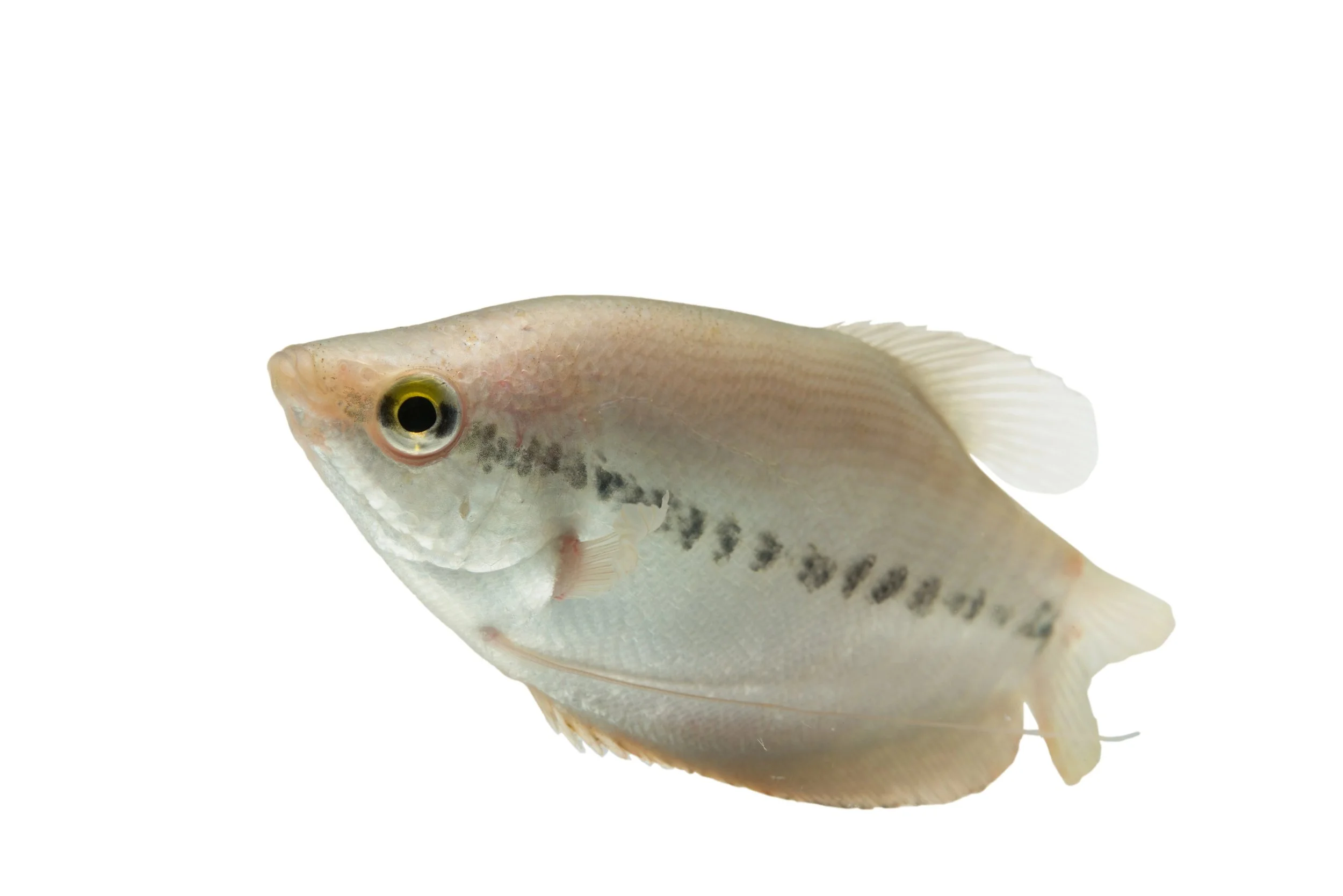
Trichopodus pectoralis
Trichopodus pectoralis, commonly known as the pearl gourami, is a species of freshwater fish belonging to the Osphronemidae family. Native to Southeast Asia, particularly found in regions like the Mekong River basin, this fish prefers slow-moving waters such as swamps, ponds, and rice paddies.

Trichopodus pectoralis fish farming
Trichopodus pectoralis, commonly known as the kissy fish or the pearl gourami, is a freshwater species native to Southeast Asia. It is increasingly being farmed due to its ornamental value and growing popularity in the aquarium trade. Fish farming of Trichopodus pectoralis offers several advantages, including sustainability and the potential for profit, as these fish are often sought after for home aquariums.

Tilapia fish
Tilapia fish is a popular freshwater species known for its mild flavor and versatility in cooking. It belongs to the family Cichlidae and is native to Africa, particularly in regions such as the Nile River. Tilapia has gained prominence in aquaculture due to its fast growth rate, ability to thrive in diverse environmental conditions, and high reproductive capacity.

The beauty of arowana fish
The arowana fish, often referred to as the "dragon fish," is renowned for its striking beauty and elegance. With a streamlined body and elongated shape, this freshwater fish exhibits a range of captivating colors, including silver, gold, blue, and green, depending on the species and environmental conditions

Golden algae eater fish
The golden algae eater fish, also known as Gyrinocheilus aymonieri, is a freshwater species native to Southeast Asia. This fish is recognized for its elongated body and distinctive coloration, which typically includes a golden or yellowish hue accented by black markings. It is often sought after for aquariums due to its algae-eating capabilities, helping to maintain tank cleanliness.

Types of Neocaridina davidi disease
Neocaridina davidi, commonly known as cherry shrimp, can be vulnerable to various diseases due to several factors related to their environment, genetics, and overall health.

Neocaridina davidi
Neocaridina davidi, commonly known as cherry shrimp, is a popular freshwater species among aquarium enthusiasts. Native to Taiwan, these small crustaceans are admired for their vibrant colors, which can range from red to orange, yellow, and even blue. They typically grow to about 1 to 2 inches in length and are known for their hardiness and adaptability to various water conditions

types of koi fish diseases
Koi fish are susceptible to various diseases, which can impact their health and the overall quality of the pond ecosystem. Understanding the common types of koi fish diseases is essential for maintaining a healthy environment. Here are some of the most prevalent diseases

Types of arowana fish diseases
Arowana fish are prized for their beauty and are considered symbols of prosperity in many cultures. However, like any other aquatic species, they are susceptible to various diseases that can affect their health and well-being.

Fish feeding management
Fish feeding management is a vital aspect of aquaculture that directly impacts the growth, health, and productivity of fish. Effective feeding strategies help optimize feed conversion, minimize waste, and enhance the overall sustainability of fish farming operations.

Information and communication technology in aquaculture
Information and communication technology (ICT) plays a pivotal role in the advancement of aquaculture by enhancing productivity, sustainability, and management efficiency. The integration of ICT in aquaculture practices allows for better monitoring, data management, and communication across various stakeholders in the industry.

How long do clownfish live
Clownfish typically have a lifespan of about 6 to 10 years in the wild. However, in a properly maintained aquarium environment, they can live longer, often reaching 10 to 15 years. Various factors such as water quality, diet, and overall care can significantly influence their longevity.
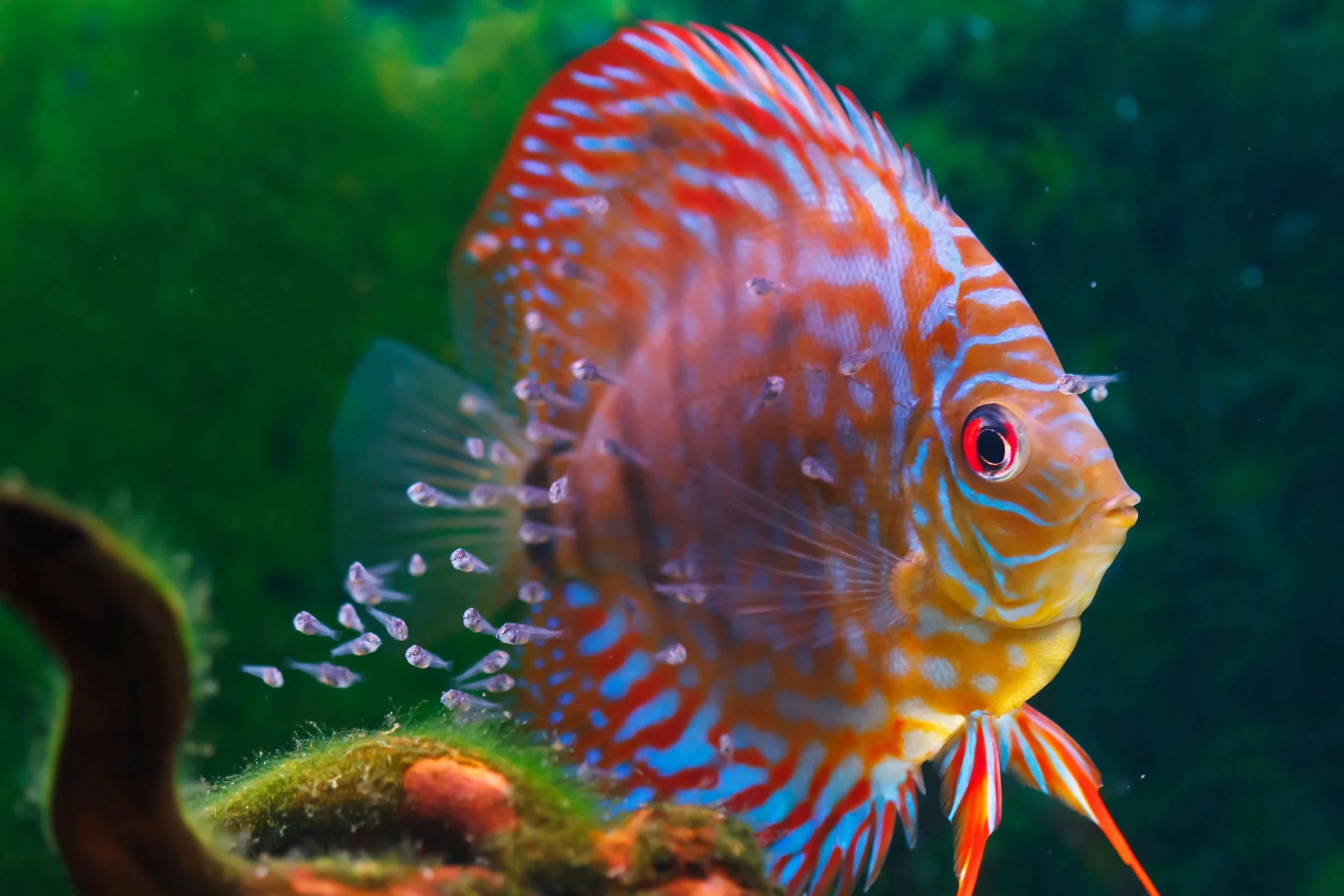
Discus Fish
Discus fish (Symphysodon spp.) are a popular species of freshwater tropical fish known for their distinctive shape and vibrant colors. They are native to the Amazon River basin in South America and thrive in slow-moving waters with a warm, acidic environment. Discus fish are characterized by their flattened, circular bodies and can display a range of colors, including blue, green, red, and various patterns.

Guppies
Guppies are small freshwater fish belonging to the family Poeciliidae. Known scientifically as Poecilia reticulata, they are popular among aquarists due to their vibrant colors, easy care, and lively behavior. Originating from freshwater habitats in Central and South America, guppies thrive in various environments, making them adaptable pets for home aquariums.

Clownfish
Clownfish is a small, brightly colored marine fish belonging to the subfamily Amphiprioninae in the family Pomacentridae. They are well-known for their distinctive orange bodies with white bands outlined in black. Clownfish typically inhabit coral reefs in the warm waters of the Pacific and Indian Oceans.

Arowana Fish
Arowana fish, often referred to as "dragon fish," are a family of freshwater fish known for their elongated bodies and metallic sheen. They belong to the family Osteoglossidae and are found in various regions, including Southeast Asia, South America, and Australia.

Koi Fish
Koi fish, or Nishikigoi, are a domesticated and colorful variety of the Amur carp that have been bred for ornamental purposes. These fish are highly regarded in many cultures, particularly in Japan, where they symbolize luck, prosperity, and friendship. Koi come in various colors and patterns, with some of the most popular varieties being Kohaku (white with red), Taisho Sanke (white with red and black), and Showa Sanke (black with red and white).

Betta Fish
Betta fish, scientifically known as Betta splendens, are freshwater fish native to Southeast Asia, particularly in the Mekong River basin. Known for their vibrant colors and flowing fins, they are popular in the aquarium trade. Bettas display a variety of colors, including red, blue, green, and purple, often exhibiting striking patterns.

Oscar Fish
Oscar, also known as Oscar fish, is a popular freshwater species belonging to the cichlid family. Scientifically classified as Astronotus ocellatus, these fish are recognized for their vibrant colors and distinct patterns, which can vary significantly among individuals. Oscars are native to the rivers and lakes of South America, particularly in the Amazon Basin.