Agrotourism combines agricultural operations with tourism, allowing visitors to experience farm life, learn about food production, and participate in rural activities. Below are several examples of agrotourism, illustrating different scales, focuses, and visitor experiences.
Farm stays and bed-and-breakfasts on working farms Guests stay overnight in accommodations on a working farm or ranch. Hosts often offer tours of the property, opportunities to feed or milk animals, and meals prepared with farm-grown ingredients. Farm stays can range from rustic cabins to renovated farmhouse rooms. This model helps farmers diversify income while giving visitors an immersive rural experience and an understanding of day-to-day agricultural operations.
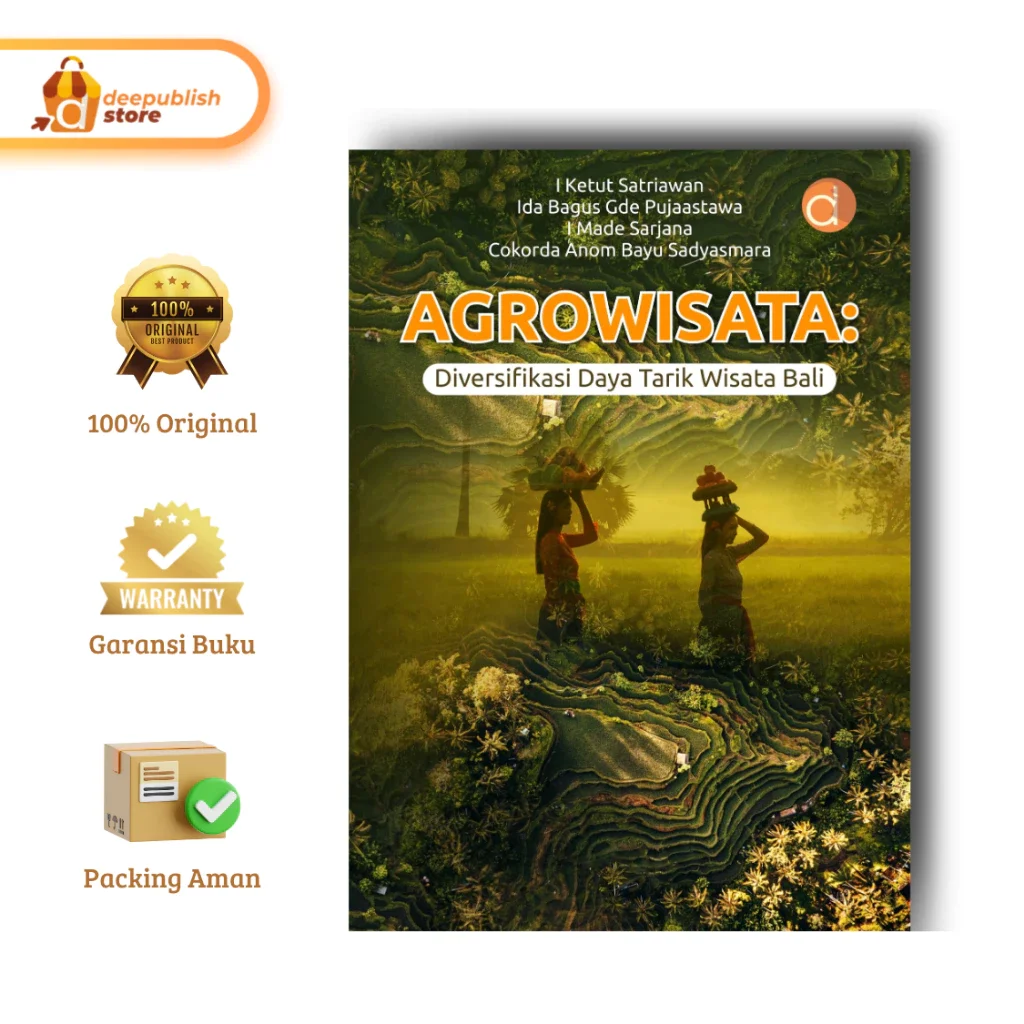
Shopee : Buku Agrowisata
Deepublish - Buku Agrowisata: Diversifikasi Daya Tarik Wisata Bali - Buku Pariwisata
U-pick/you-pick orchards and berry farms Visitors harvest their own fruits, vegetables, or flowers directly from fields. Common examples include apple orchards, strawberry patches, pumpkin fields, and sunflower farms. U-pick operations attract families and urban residents seeking fresh, seasonal produce and outdoor recreation. They can also include additional activities like hayrides, corn mazes, and farm stands selling pre-picked items.
Educational farm tours and school programs Farms open their gates to organized groups—school classes, community groups, or tourists—for guided tours focused on agricultural education. These tours may include demonstrations of planting, harvesting, irrigation systems, animal husbandry, and food processing. Educational programs often align with curriculum goals in science and nutrition, promoting agricultural literacy and encouraging interest in food systems.
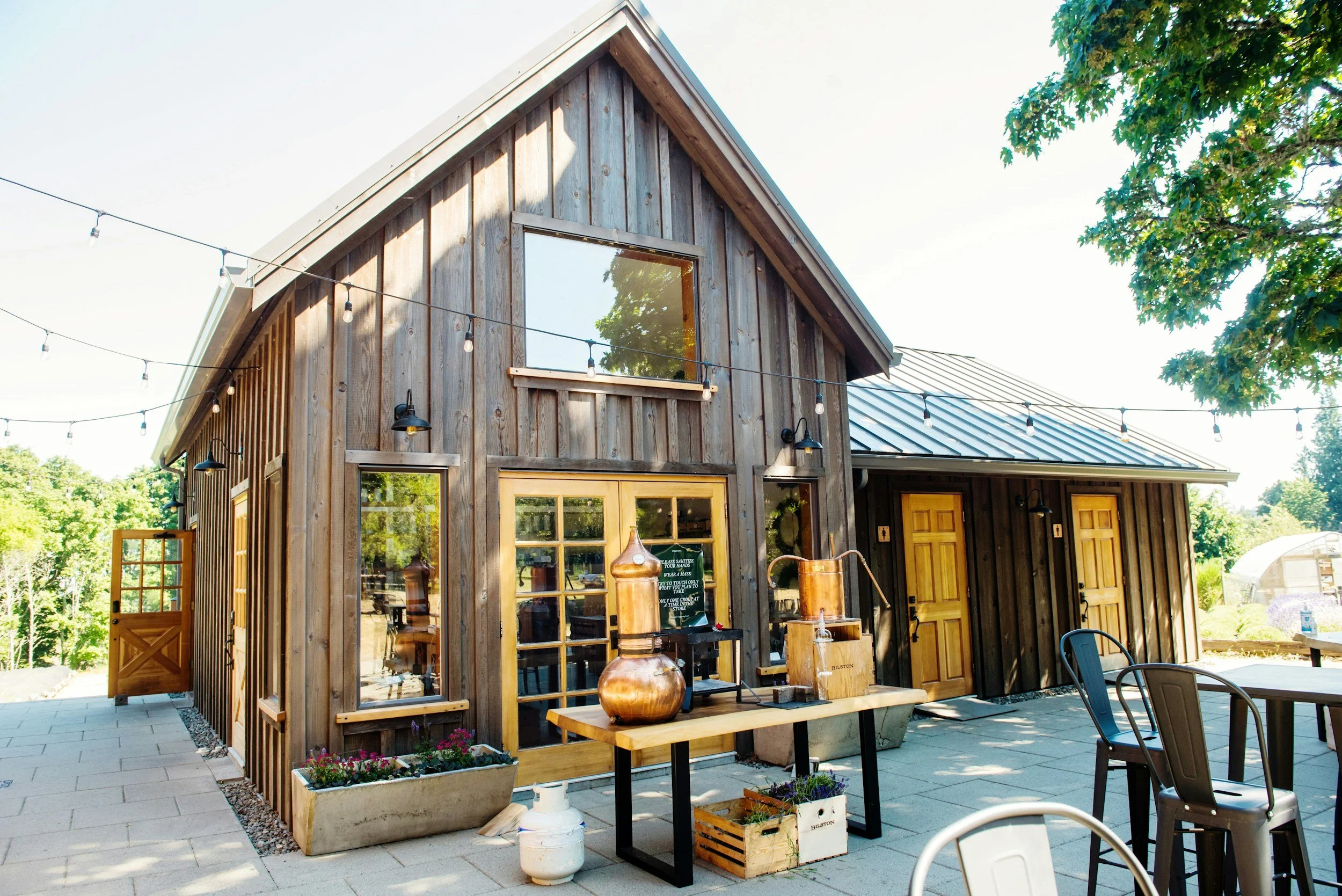
Agrotourism
Agricultural festivals and farm-to-table events Seasonal festivals celebrate harvests or specific crops, such as grape harvest festivals at vineyards, pumpkin festivals in the fall, or lavender festivals in summer. Farm-to-table dinners showcase chefs preparing meals from local farm ingredients, often held outdoors on the farm. These events serve as marketing platforms for farm products and attract visitors interested in culinary experiences and local culture.
Vineyards and winery tastings Vineyards commonly offer tours of the vines, wine tastings, and explanations of viticulture and enology practices. Many wineries combine tastings with scenic views, picnic areas, and guided walks through production facilities. Some have upgraded to include restaurants, lodging, and event-hosting capabilities for weddings or conferences.
Agro-ecotourism and conservation farms These farms emphasize sustainable practices, biodiversity, and conservation education. Visitors may participate in habitat restoration, learn about organic farming, permaculture design, or agroforestry systems. Activities can include guided nature walks, bird-watching, and workshops on soil health or integrated pest management, appealing to eco-conscious travelers.
Farmers’ markets and on-farm retail While not always interactive like a farm stay, on-site markets and farm shops attract visitors to purchase fresh produce, artisanal foods, and value-added products. Some operations augment retail with demonstrations, tasting stations, and seasonal events, encouraging visitors to learn more about the production behind the goods.
Agri-adventure and recreational activities Outdoor activities hosted on agricultural land—such as horseback riding on ranches, fishing in stocked ponds, ATV tours across large farms, or camping on agricultural estates—offer recreational draws for tourists. These experiences can be packaged with educational elements to balance entertainment with learning.
Craft and value-added workshops Farms that produce honey, cheese, olive oil, or fiber crops often run hands-on workshops teaching cheese-making, beekeeping basics, soap-making, or weaving with farm-grown fibers. These sessions provide tangible skills, deepen appreciation for farm products, and create additional revenue streams through ticket sales and product purchases.
Each type of agrotourism supports rural economies by creating diversified income for farmers, strengthening direct-to-consumer sales, and fostering connections between urban consumers and agricultural producers. Successful agrotourism ventures prioritize visitor safety, clear scheduling and pricing, educational value, and responsible management of farm biosecurity and animal welfare.
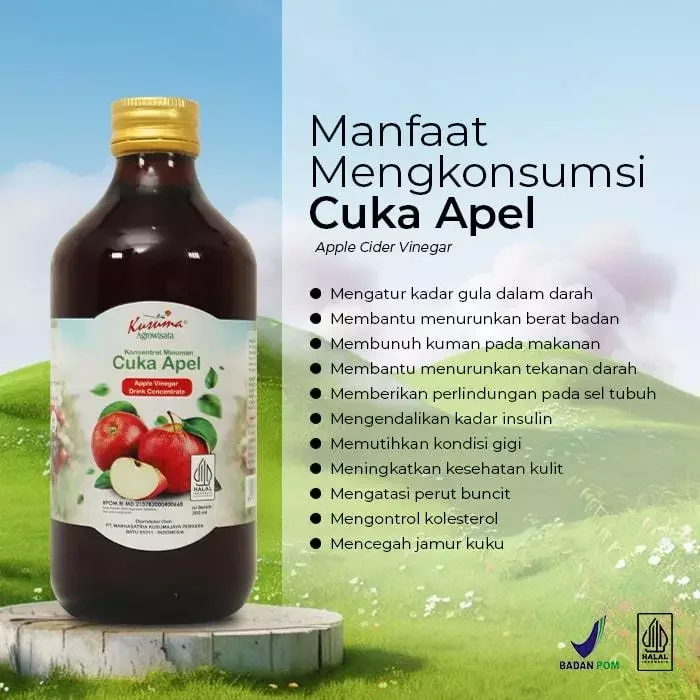
Shopee : Cuka Apel
Kusuma Agrowisata Cuka Apel Batu Malang 300ml
Beberapa contoh agrowisata/Agrotourism
Agrotourism menggabungkan kegiatan pertanian dengan pariwisata, memungkinkan pengunjung merasakan kehidupan di peternakan, mempelajari produksi pangan, dan berpartisipasi dalam kegiatan pedesaan. Di bawah ini beberapa contoh agrotourism yang menggambarkan berbagai skala, fokus, dan pengalaman pengunjung.
Penginapan di peternakan dan bed-and-breakfast di lahan pertanian yang masih beroperasi Tamu menginap di akomodasi yang berada di peternakan atau perkebunan yang masih beroperasi. Tuan rumah sering menawarkan tur ke seluruh area, kesempatan memberi makan atau memerah hewan, serta hidangan yang dimasak dengan bahan-bahan hasil pertanian. Penginapan jenis ini bisa berupa kabin sederhana hingga kamar yang direnovasi di rumah tani. Model ini membantu petani mendiversifikasi pendapatan sekaligus memberikan pengalaman pedesaan yang imersif dan pemahaman tentang operasi pertanian sehari-hari.
Kebun petik-sendiri (u-pick/you-pick) dan kebun beri Pengunjung memanen sendiri buah, sayuran, atau bunga langsung dari ladang. Contoh umum meliputi kebun apel, lahan stroberi, ladang labu, dan kebun bunga matahari. Operasi u-pick menarik keluarga dan penduduk kota yang mencari produk musiman segar serta rekreasi di luar ruangan. Kegiatan tambahan seperti naik gerobak jerami, labirin jagung, dan stan penjualan yang menjual barang pra-panen juga sering disediakan.
Tur edukasi di peternakan dan program sekolah Peternakan membuka gerbang untuk kelompok terorganisir—kelas sekolah, komunitas, atau turis—untuk mengikuti tur berpemandu yang berfokus pada pendidikan pertanian. Tur ini dapat mencakup demonstrasi penanaman, panen, sistem irigasi, pemeliharaan hewan, dan pengolahan pangan. Program edukasi sering disesuaikan dengan tujuan kurikulum dalam bidang sains dan nutrisi, mendorong literasi pertanian dan minat terhadap sistem pangan.
Festival pertanian dan acara farm-to-table Musim festival merayakan panen atau tanaman tertentu, seperti festival panen anggur di kebun anggur, festival labu di musim gugur, atau festival lavender di musim panas. Makan malam farm-to-table menampilkan koki yang menyiapkan hidangan dari bahan-bahan lokal dari pertanian, sering diadakan di luar ruangan di lahan pertanian. Acara-acara ini berfungsi sebagai platform pemasaran produk pertanian dan menarik pengunjung yang tertarik pada pengalaman kuliner dan budaya lokal.
Kebun anggur dan pencicipan di tempat pembuatan anggur Kebun anggur biasanya menawarkan tur kebun, pencicipan anggur, dan penjelasan tentang praktik vitikultur dan enologi. Banyak tempat pembuatan anggur menggabungkan pencicipan dengan pemandangan indah, area piknik, dan jalan-jalan berpemandu melalui fasilitas produksi. Beberapa telah meningkatkan fasilitasnya untuk mencakup restoran, penginapan, dan kemampuan menjadi tempat acara untuk pernikahan atau konferensi.
Agro-ekowisata dan pertanian konservasi Pertanian ini menekankan praktik berkelanjutan, keanekaragaman hayati, dan edukasi konservasi. Pengunjung dapat berpartisipasi dalam restorasi habitat, mempelajari pertanian organik, desain permakultur, atau sistem agroforestri. Kegiatan dapat mencakup jalan-jalan alam berpemandu, pengamatan burung, dan lokakarya tentang kesehatan tanah atau pengelolaan hama terpadu, menarik bagi pelancong yang sadar lingkungan.
Pasar petani dan penjualan langsung di lokasi Meskipun tidak selalu bersifat interaktif seperti menginap di peternakan, pasar di lokasi dan toko pertanian menarik pengunjung untuk membeli produk segar, makanan artisan, dan produk bernilai tambah. Beberapa usaha menambah kegiatan ritel dengan demonstrasi, stasiun pencicipan, dan acara musiman, mendorong pengunjung untuk mempelajari lebih banyak tentang proses produksi di balik barang-barang tersebut.
Petualangan agri dan aktivitas rekreasi Kegiatan luar ruang yang diselenggarakan di lahan pertanian—seperti berkuda di peternakan, memancing di kolam yang diisi, tur ATV di lahan pertanian luas, atau berkemah di perkebunan—menawarkan daya tarik rekreasi bagi wisatawan. Pengalaman ini dapat dipaketkan dengan elemen edukasi untuk menyeimbangkan hiburan dan pembelajaran.
Workshop kerajinan dan produk bernilai tambah Peternakan atau kebun yang menghasilkan madu, keju, minyak zaitun, atau tanaman serat sering mengadakan workshop praktek yang mengajarkan pembuatan keju, dasar-dasar pemeliharaan lebah, pembuatan sabun, atau tenun menggunakan serat hasil pertanian. Sesi-sesi ini memberikan keterampilan nyata, memperdalam apresiasi terhadap produk pertanian, dan menciptakan aliran pendapatan tambahan melalui penjualan tiket dan pembelian produk.
Setiap jenis agrowisata mendukung ekonomi pedesaan dengan menciptakan pendapatan yang terdiversifikasi bagi petani, memperkuat penjualan langsung ke konsumen, dan membina hubungan antara konsumen perkotaan dan produsen pertanian. Usaha agrowisata yang sukses mengutamakan keselamatan pengunjung, penjadwalan dan penentuan harga yang jelas, nilai edukatif, serta pengelolaan yang bertanggung jawab terhadap biosekuriti lahan pertanian dan kesejahteraan hewan.