Urban farming is the practice of producing food and other agricultural products within cities and densely populated suburban areas. It encompasses a variety of methods — from small balcony gardens and community plots to rooftop farms, vertical systems, hydroponics, aquaponics, and controlled-environment agriculture (CEA). The concept aims to increase local food production, shorten supply chains, improve food security, and create social, economic, and environmental benefits for urban communities.
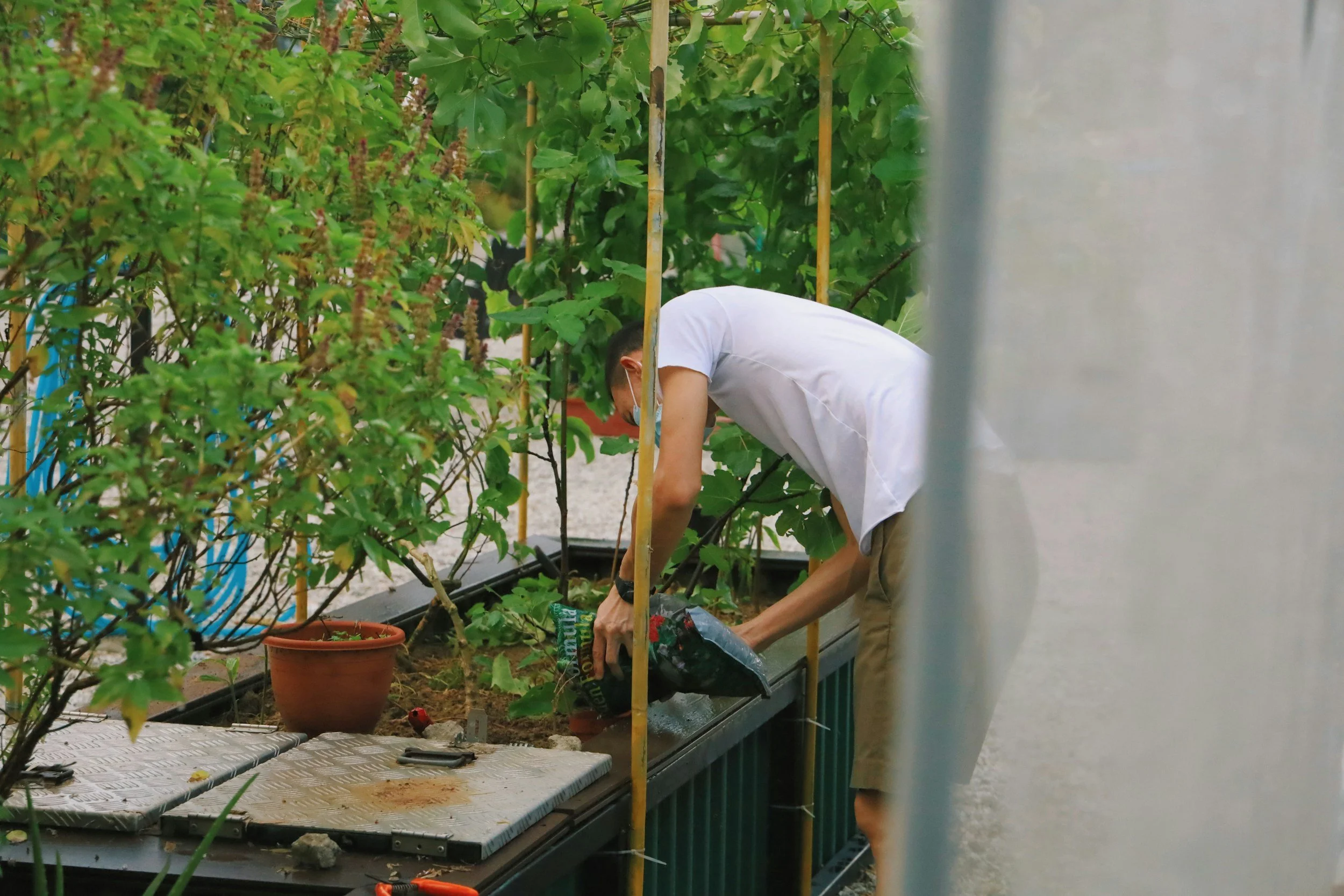
urban farming
Key elements of urban farming
Space optimization: Urban farms use unconventional spaces such as rooftops, vacant lots, courtyards, walls, and indoors under LED lighting. Vertical farming and stacked grow systems multiply production per square foot, making agriculture feasible where horizontal land is limited or costly.
Diverse methodologies: Soil-based container gardening remains common for small-scale operations and community gardens. Soilless systems like hydroponics (plants grown in nutrient-rich water) and aeroponics (roots misted with nutrient solution) reduce water use and can speed growth. Aquaponics combines fish farming with plant production, creating a nutrient cycle that benefits both organisms. Controlled-environment agriculture uses climate control, artificial lighting, and automation to produce high yields year-round, independent of seasonal weather.
Sustainability and resource efficiency: Urban farming often emphasizes efficient use of water, nutrients, and energy. Techniques such as drip irrigation, rainwater harvesting, composting, and nutrient recycling lower resource inputs and reduce waste. When designed well, urban farms can reduce food miles and associated greenhouse gas emissions by supplying nearby consumers.
Community and social benefits: Community gardens and cooperative farms foster social cohesion, provide educational opportunities, and improve access to fresh produce in food-insecure neighborhoods. Urban farms can offer job training, entrepreneurship opportunities, and improved mental and physical health through engagement with nature.
Economic considerations: Urban farming can generate income through direct-to-consumer sales, farmers’ markets, community-supported agriculture (CSA) subscriptions, restaurant partnerships, and value-added products. However, profitability depends on high-value crops (microgreens, herbs, specialty produce), efficient operations, and scale. Initial capital costs for controlled-environment systems and land or lease costs can be barriers.
Challenges and considerations
Land access and zoning: Cities may have restrictive zoning laws and limited affordable land. Securing permission for rooftop or vacant lot use can be complex.
Energy and inputs: Some high-tech systems have significant energy demands (lighting, HVAC). Ensuring renewable energy integration and efficient design is important to maintain environmental benefits.
Soil contamination: Urban soils may contain pollutants; testing and remediation or using raised beds and soilless systems mitigate risks.
Market and supply chain integration: Building reliable sales channels and distributing fresh produce within cities requires planning, marketing, and compliance with food-safety regulations.
Outlook
Urban farming is evolving from grassroots community gardens to commercially viable, technology-driven enterprises. Advances in LED lighting, automation, and vertical-racking systems are improving yields and lowering costs. As cities prioritize resilience, food equity, and sustainable development, urban farming will increasingly be an integral component of urban planning and local food systems, complementing rural agriculture rather than replacing it.