Cucumbers are a productive, fast-growing vegetable well suited to backyard gardens. With the right site, soil preparation, and care, you can harvest crisp, tasty cucumbers throughout summer. Below is a practical step-by-step guide to planting cucumbers in your yard.
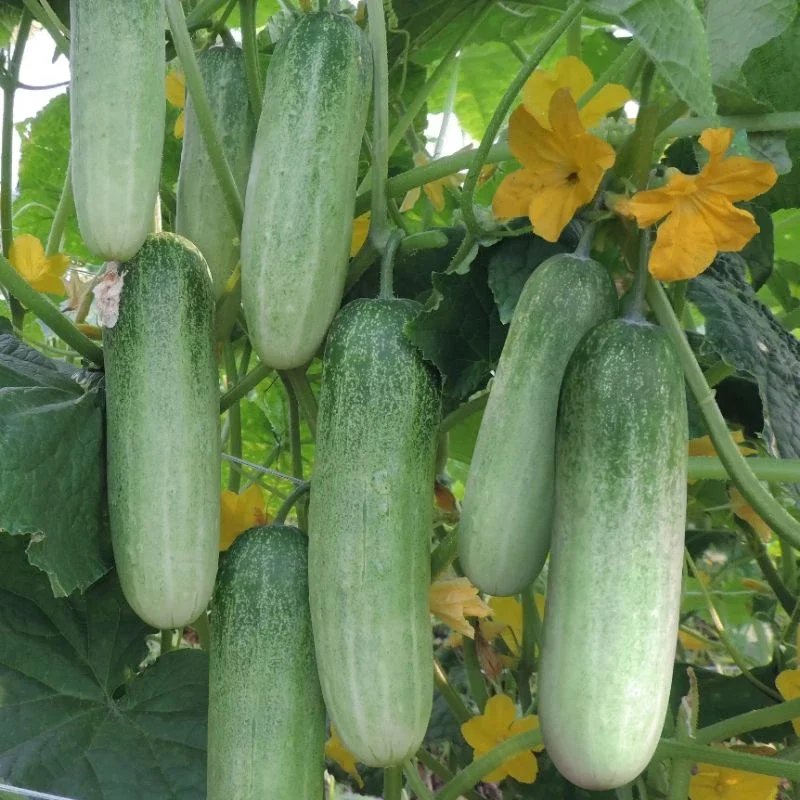
Shopee : BENIH/BIJI TIMUN
BENIH/BIJI TIMUN LALAP (100 BUTIR)
Site selection and timing
Choose a sunny spot that receives at least 6–8 hours of direct sunlight per day. Cucumbers are warm-season plants and perform poorly in shade.
Plant after the last spring frost when soil temperatures reach 60–70°F (15–21°C). In cooler climates, start seeds indoors 3–4 weeks before transplanting or use black plastic or row covers to warm the soil.
Ensure good air circulation to reduce disease pressure. Avoid planting where cucumbers, melons, or squash had severe disease problems in the last two years.
Soil preparation
Cucumbers prefer well-draining, loamy soil with a pH of 6.0–7.0.
Work in 2–4 inches of compost or well-aged manure to improve fertility and moisture retention.
If your soil is heavy clay, amend with coarse sand and organic matter or plant in raised beds to improve drainage.
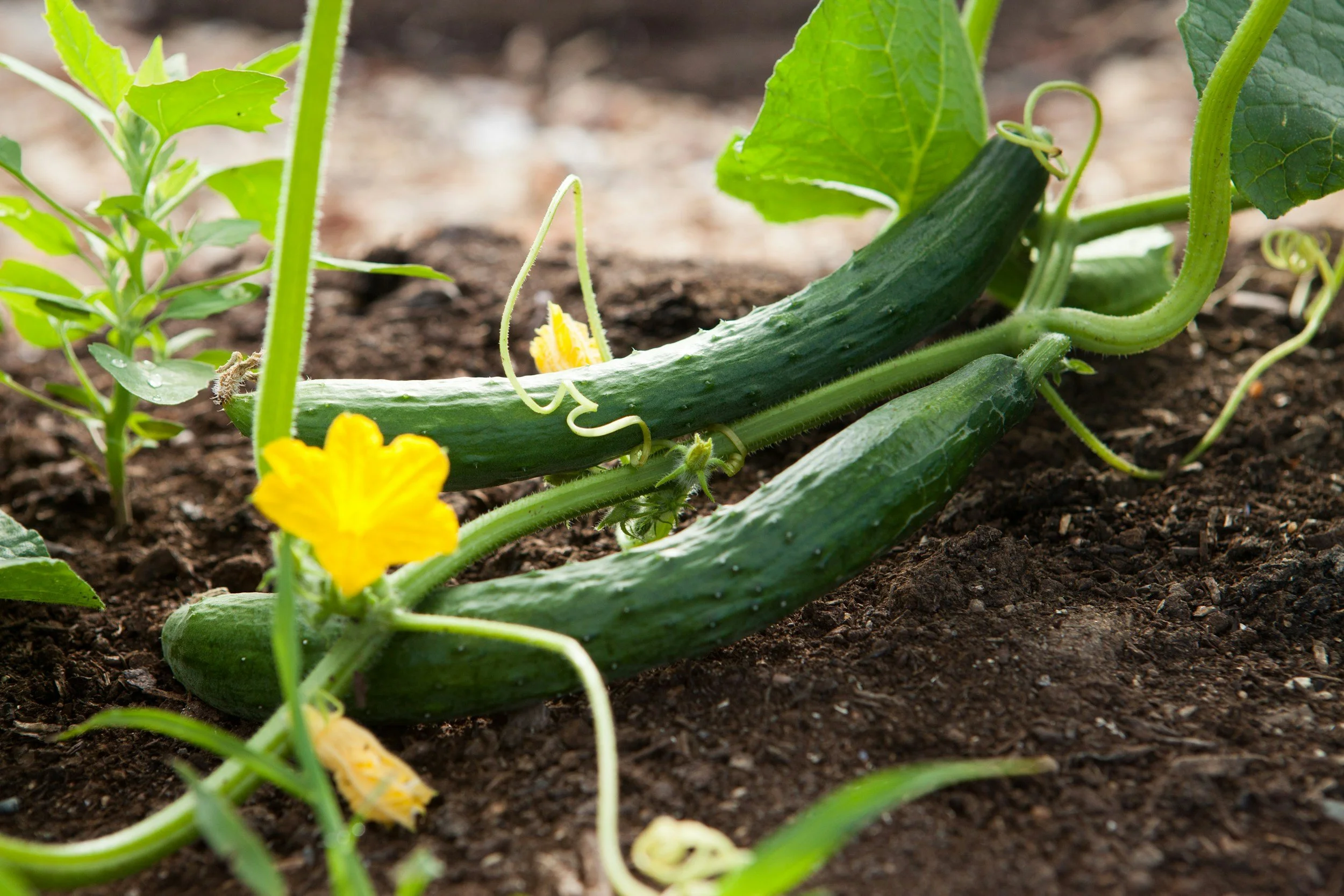
cucumbers
Planting methods
Direct sowing: Sow seeds 1 inch deep, 6–12 inches apart in rows spaced 3–5 feet apart for vining varieties. For bush varieties, space plants 2–3 feet apart. Thin seedlings to the strongest plant if needed.
Transplants: Set seedlings outdoors after hardening off and when temperatures are reliably warm. Space as above and plant at the same depth they were in their pots.
Mounding: Many gardeners plant cucumbers on 8–12 inch high mounds spaced about 3–4 feet apart. Mounds warm faster and improve drainage for each plant.
Support and training
Vining cucumber varieties benefit from trellises, fences, or cages. Train vines upward to save space, improve air circulation, and reduce fruit rot. Use soft ties or twine to secure heavy vines.
Bush varieties are compact and may not need supports.
Watering and mulching
Provide consistent moisture: about 1–1.5 inches of water per week. Water deeply at the base to encourage deep roots and avoid wetting foliage.
Mulch with straw, shredded leaves, or bark to conserve moisture, moderate soil temperature, and suppress weeds.
Fertilization
Apply a balanced fertilizer at planting (for example, a 10-10-10) following package rates, or side-dress with compost when vines begin to run.
Avoid excessive nitrogen, which promotes leafy growth at the expense of fruiting.
Pest and disease management
Common pests: cucumber beetles, aphids, squash bugs, and spider mites. Inspect plants regularly, handpick beetles, use row covers early in the season, and employ insecticidal soap or neem oil for small infestations.
Diseases: powdery mildew, downy mildew, bacterial wilt, and mosaic viruses. Provide good spacing for airflow, water in the morning to let foliage dry, rotate crops, and remove infected plants promptly.
Consider planting resistant varieties if certain diseases are common in your area.
Harvesting
Harvest cucumbers when they reach the recommended size for the variety (usually 6–8 inches for slicing cucumbers; pickling types are smaller). Frequent harvesting encourages more fruit set.
Use a sharp knife or pruning shears to cut fruit from the vine to avoid damaging the plant. Avoid leaving oversized fruit on the vine, which can reduce production.
Variety selection
Choose varieties suited to your needs: slicing (for fresh eating), pickling, or specialty types (burpless, long English greenhouse cucumbers). Bush types suit small spaces or containers; vining types produce larger yields if trellised.
Additional tips
Plant basil, nasturtiums, or marigolds nearby to attract beneficial insects and deter pests.
Succession sow every 2–3 weeks for a continuous harvest through summer.
In hot midsummer, provide afternoon shade in very hot climates to reduce stress and bitterness.
With proper site selection, soil preparation, consistent watering, and routine care, cucumber plants in the yard will reward you with a steady supply of fresh cucumbers for salads, pickling, and snacking.
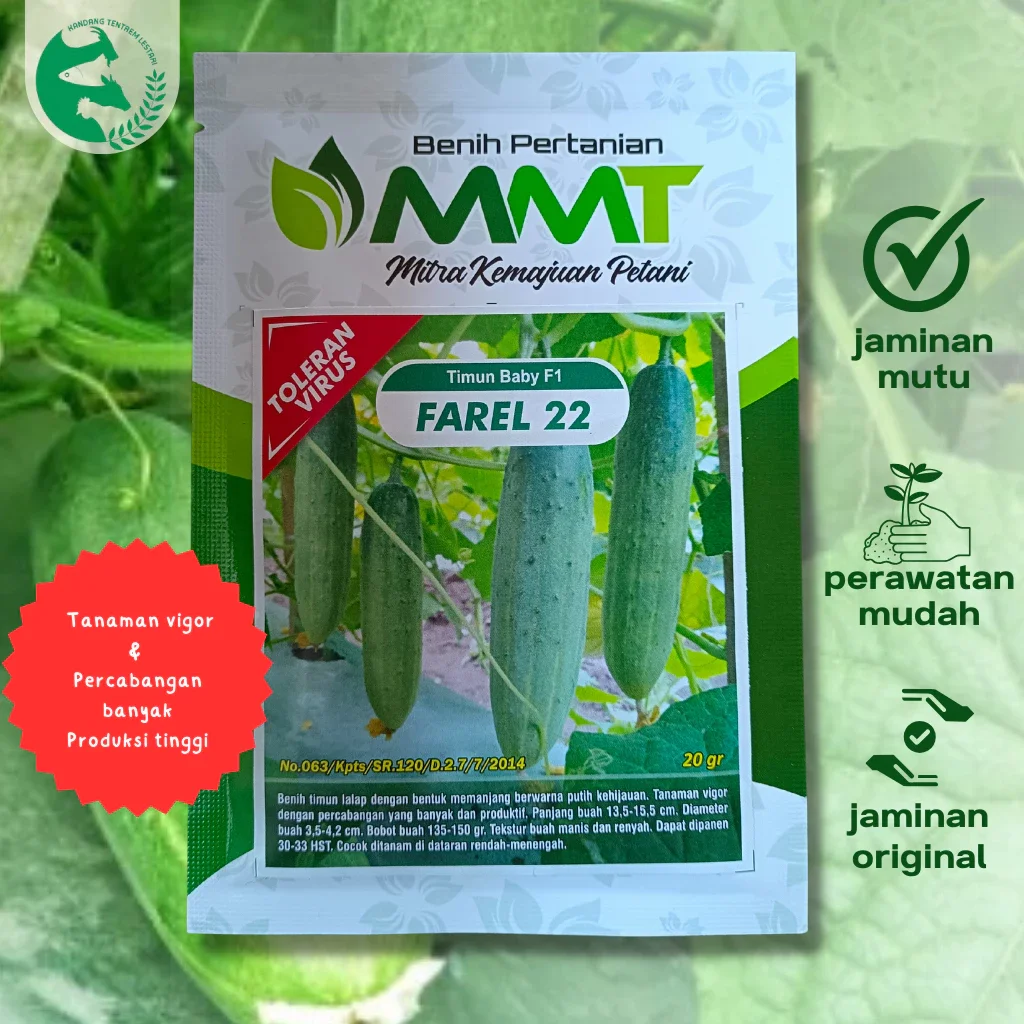
Shopee : Benih Timun
Benih Timun Baby Farel 22 F1 Asli 20 Gram Cap MMT Bibit Mentimun Lalap Ketimun
Cara menanam mentimun di pekarangan
Mentimun adalah sayuran yang produktif dan cepat tumbuh, sangat cocok untuk kebun halaman belakang. Dengan lokasi yang tepat, persiapan tanah, dan perawatan yang baik, Anda dapat memanen mentimun yang renyah dan lezat sepanjang musim panas. Di bawah ini adalah panduan langkah demi langkah yang praktis untuk menanam mentimun di pekarangan Anda.
Pemilihan lokasi dan waktu
Pilih lokasi yang terkena sinar matahari langsung minimal 6–8 jam per hari. Mentimun merupakan tanaman musim panas dan tumbuh buruk di tempat yang teduh.
Tanam setelah embun beku terakhir di musim semi ketika suhu tanah mencapai 60–70°F (15–21°C). Di iklim yang lebih sejuk, mulai benih di dalam ruangan 3–4 minggu sebelum dipindahkan atau gunakan plastik hitam atau penutup baris untuk menghangatkan tanah.
Pastikan sirkulasi udara yang baik untuk mengurangi tekanan penyakit. Hindari menanam di lokasi yang dalam dua tahun terakhir mengalami masalah penyakit parah pada mentimun, melon, atau labu.
Persiapan tanah
Mentimun lebih menyukai tanah berdrainase baik, bertekstur lempung (loamy), dengan pH 6,0–7,0.
Campurkan 5–10 cm kompos atau kandang yang sudah matang untuk meningkatkan kesuburan dan daya tahan kelembapan.
Jika tanah Anda berupa lempung berat (clay), perbaiki dengan menambahkan pasir kasar dan bahan organik atau tanam di bedengan terangkat untuk memperbaiki drainase.
Metode penanaman
Tanam langsung: Tabur biji sedalam 1 inci, berjarak 6–12 inci antar tanaman dalam baris yang berjauhan 3–5 kaki untuk varietas merambat. Untuk varietas semak, beri jarak tanaman 2–3 kaki. Renggangkan kecambah sehingga menyisakan tanaman terkuat bila perlu.
Bibit pindah tanam: Tanam bibit di luar setelah melalui proses penyesuaian (hardening off) dan ketika suhu sudah stabil hangat. Beri jarak seperti dijelaskan di atas dan tanam sedalam kedalaman yang sama seperti saat di dalam pot.
Gundukan: Banyak pekebun menanam mentimun di atas gundukan setinggi 8–12 inci dengan jarak sekitar 3–4 kaki. Gundukan menghangat lebih cepat dan memperbaiki drainase untuk tiap tanaman.
Penopang dan pelatihan
Varietas mentimun merambat mendapat manfaat dari teralis, pagar, atau sangkar. Latih sulur merambat ke atas untuk menghemat ruang, meningkatkan sirkulasi udara, dan mengurangi pembusukan buah. Gunakan ikatan lembut atau tali untuk menahan sulur yang berat.
Varietas semak bersifat kompak dan mungkin tidak memerlukan penopang.
Penyiraman dan mulsa
Berikan kelembapan yang konsisten: sekitar 1–1,5 inci air per minggu. Siram hingga meresap di pangkal tanaman untuk mendorong pertumbuhan akar hingga dalam dan hindari membasahi daun.
Gunakan mulsa seperti jerami, daun yang dicacah, atau serbuk kulit kayu untuk menghemat kelembapan, menstabilkan suhu tanah, dan menekan tumbuhan pengganggu (gulma).
Pemupukan
Aplikasikan pupuk seimbang saat menanam (misalnya 10-10-10) sesuai takaran pada kemasan, atau tambahkan kompos di samping tanaman saat sulur mulai merambat.
Hindari pemberian nitrogen berlebihan, karena mendorong pertumbuhan daun berlebih dan mengurangi pembentukan buah.
Pengendalian hama dan penyakit
Hama umum: kumbang mentimun, kutu daun, kumbang labu, dan tungau laba-laba. Periksa tanaman secara berkala, petik kumbang secara manual, gunakan penutup baris (row covers) di awal musim, dan gunakan sabun insektisida atau minyak neem untuk serangan kecil.
Penyakit: embun tepung (powdery mildew), embun layu (downy mildew), layu bakteri, dan virus mosaik. Beri jarak tanam yang baik untuk sirkulasi udara, siram pada pagi hari agar daun cepat kering, lakukan rotasi tanaman, dan buang tanaman yang terinfeksi dengan segera.
Pertimbangkan menanam varietas yang tahan jika penyakit tertentu umum di daerah Anda.
Panen
Panen mentimun ketika mencapai ukuran yang dianjurkan untuk varietasnya (biasanya 6–8 inci untuk mentimun slicing; varietas untuk pengasinan lebih kecil). Panen yang sering mendorong pembentukan buah lebih banyak.
Gunakan pisau tajam atau gunting pangkas untuk memotong buah dari batang agar tidak merusak tanaman. Hindari membiarkan buah yang terlalu besar tetap di tanaman, karena dapat mengurangi produksi.
Pemilihan varietas
Pilih varietas yang sesuai dengan kebutuhan Anda: slicing (untuk dimakan segar), pengasinan, atau varietas khusus (tanpa rasa pahit, mentimun Inggris panjang untuk rumah kaca). Tipe semak cocok untuk ruang kecil atau pot; tipe merambat menghasilkan hasil yang lebih besar jika dipasang teralis.
Tips tambahan
Tanam kemangi, bunga kertas (nasturtium), atau marigold di dekatnya untuk menarik serangga menguntungkan dan mengusir hama.
Tanam beruntun setiap 2–3 minggu untuk panen kontinu selama musim panas.
Pada puncak musim panas yang sangat panas, beri naungan sore hari di iklim yang sangat panas untuk mengurangi stres dan rasa pahit.
Dengan pemilihan lokasi yang tepat, persiapan tanah yang baik, penyiraman konsisten, dan perawatan rutin, tanaman mentimun di pekarangan akan memberi Anda pasokan mentimun segar yang berkelanjutan untuk salad, pengasinan, dan camilan.