Integrated cultivation between fish and vegetable plants—commonly known as aquaponics—combines aquaculture (raising fish) and hydroponics (growing plants in water) into a single, symbiotic system. Waste produced by fish is converted by beneficial bacteria into nutrients plants can absorb; in turn, plants filter and clean the water that returns to the fish tanks. This closed-loop relationship reduces the need for chemical fertilizers, lowers water consumption compared with conventional agriculture, and can increase productivity per unit area.
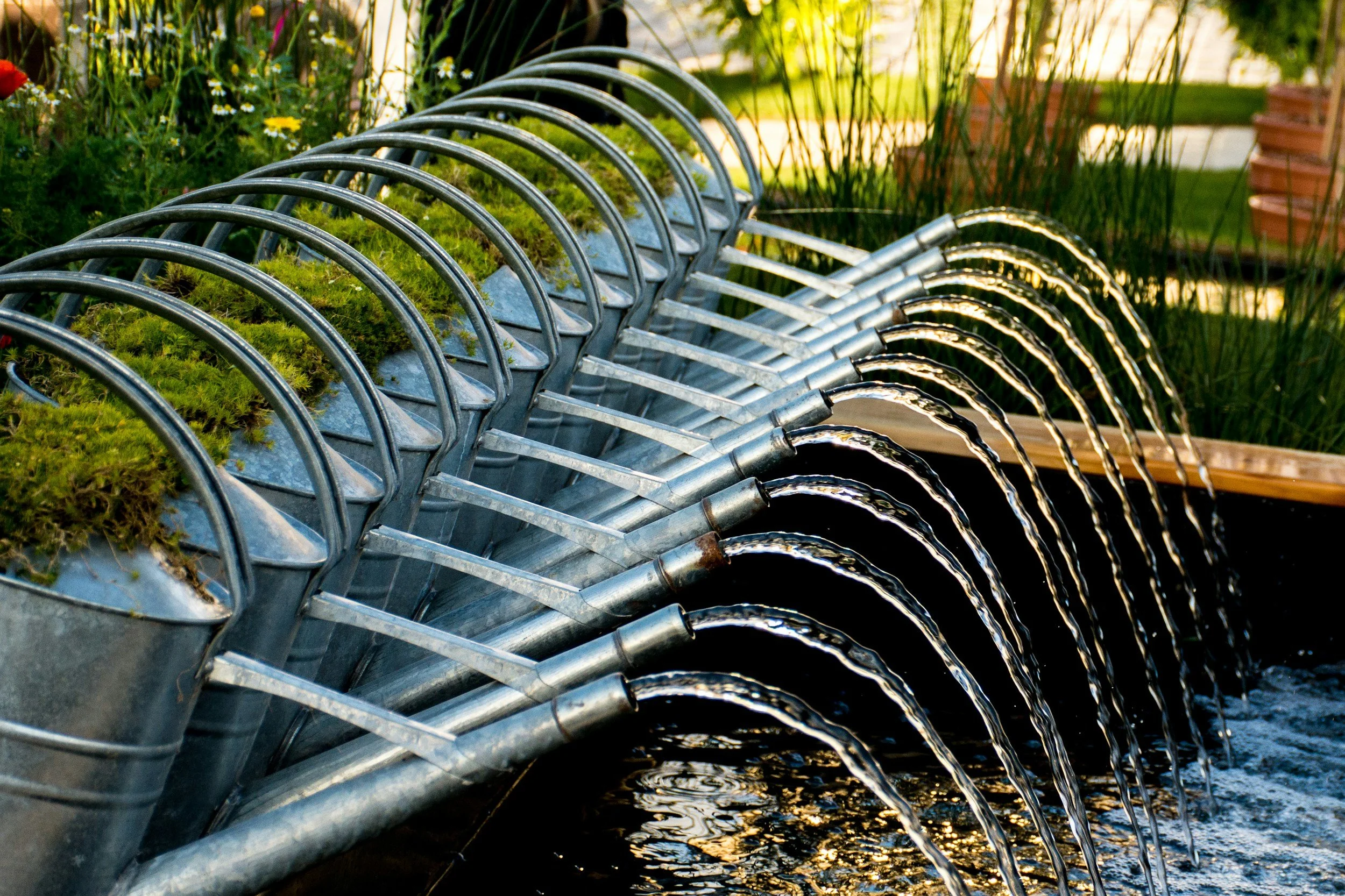
aquaponics
Core components and processes:
Fish tank: The system begins with a stocked fish tank where fish produce ammonia through excretion. Common species include tilapia, catfish, trout, and ornamental species, selected based on climate, market demand, and system design.
Biofilter (nitrification): Beneficial nitrifying bacteria colonize media or dedicated biofilters and convert toxic ammonia to nitrite and then to nitrate. Nitrate is less toxic to fish and a readily available nutrient for plants.
Plant grow bed or raft system: Plants are grown in inert media (gravel, expanded clay), floating rafts, or nutrient film technique channels. Roots access water rich in nitrates and other minerals, removing nutrients and improving water quality.
Solid waste removal: Mechanical filtration or settling tanks remove uneaten food and feces to prevent clogging and maintain water quality. Solids can be composted or used as soil amendments.
Water circulation and monitoring: Pumps circulate water between fish tanks and grow beds. Key parameters—temperature, pH, dissolved oxygen, ammonia, nitrite, and nitrate—require regular monitoring and adjustment.
Benefits:
Water efficiency: Recirculating water reduces usage by up to 90% relative to soil-based production because water is reused rather than lost to deep percolation and evaporation.
Reduced fertilizer input: Plants get nutrients from fish waste, cutting the need for synthetic fertilizers and lowering input costs.
High productivity and space efficiency: Vertical stacking, greenhouse integration, or rooftop installations can yield high outputs per area, making aquaponics attractive for urban and peri-urban production.
Environmental advantages: Lower nutrient runoff and the potential for organic labeling (depending on regional regulations) improve sustainability credentials.
Constraints and considerations:
System balance: Maintaining a stable balance between fish biomass and plant uptake is crucial; imbalances lead to nutrient deficits or toxic accumulations.
Technical skill and monitoring: Operators need skills in water chemistry, fish health, and plant nutrition. Initial setup costs can be higher than conventional systems.
Species selection and compatibility: Temperature requirements and nutrient demands must align; heavy feeders like fruiting crops may need supplemental nutrients, especially iron, calcium, or potassium.
Disease management: Closed systems can facilitate rapid spread of disease; biosecurity and quarantine practices are important.
Design variations:
Media-based systems: Use grow media that supports bacterial biofilm and plant roots—simple and robust for many vegetable crops.
Floating raft systems: Best for leafy greens and herbs, offering fast growth and easy harvesting.
Nutrient Film Technique (NFT): Thin flowing film suits small-rooted plants but requires careful pump management.
Hybrid systems: Combine hydroponic nutrient supplementation with aquaponics to support high-demand crops (tomato, cucumber) while preserving sustainability gains.
Operational tips:
Start small and scale gradually to learn nutrient dynamics.
Use a diversity of plants to stabilize nutrient uptake and spread market risk.
Monitor pH near neutral (6.8–7.0) for bacterial activity and plant health; most fish prefer slightly different ranges, so choose species accordingly.
Provide adequate aeration and temperature control to sustain fish metabolism and oxygen levels.
Integrated aquaculture-vegetable cultivation presents a resilient approach to food production, particularly where water is scarce or land is limited. When well designed and managed, it delivers complementary yields of protein and vegetables while reducing environmental footprint and input dependency.