How to care for cayenne pepper plants so they grow healthily
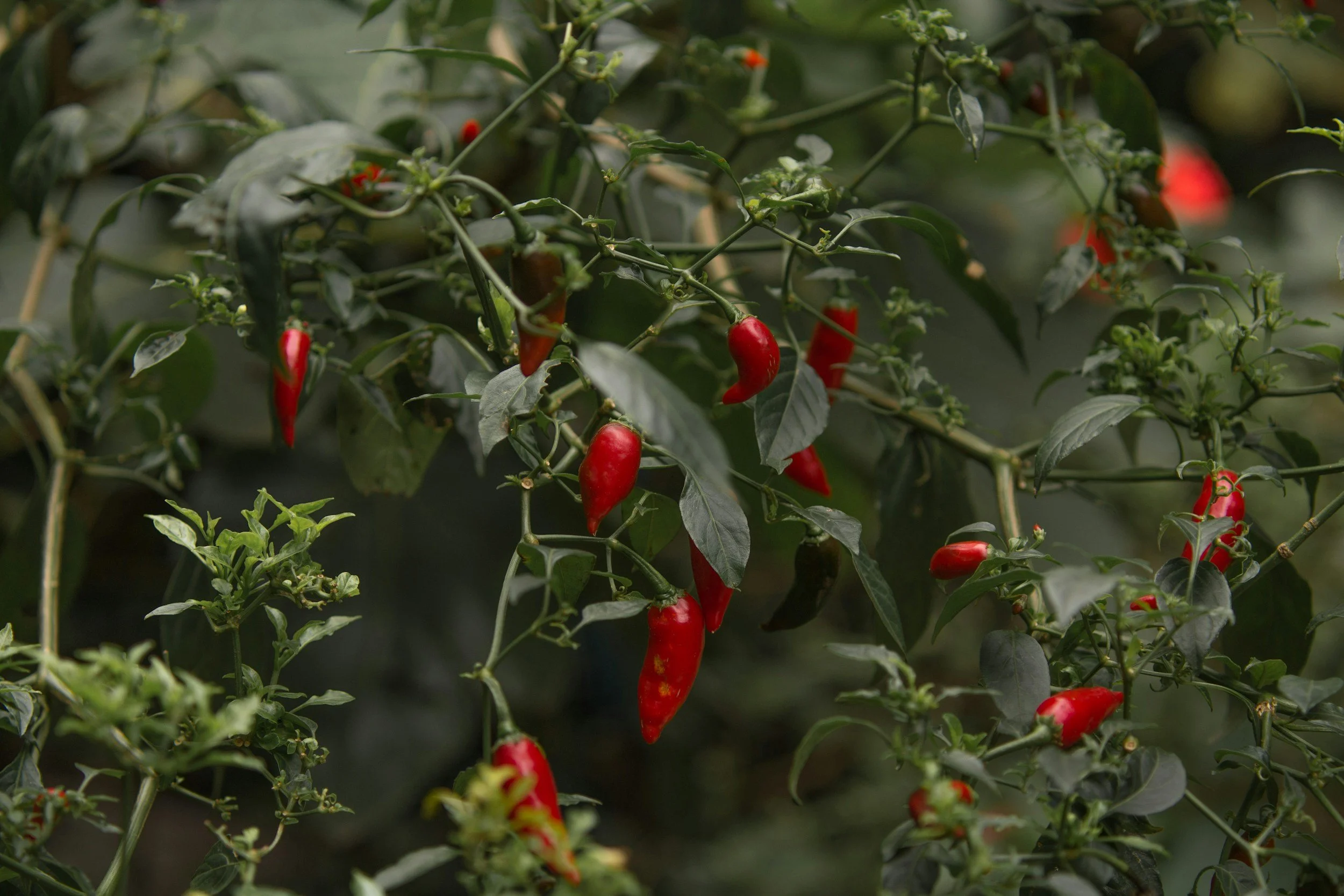
Cayenne pepper plants
Cayenne pepper plants are vigorous, productive peppers that thrive with consistent care. Follow these guidelines to ensure healthy growth and abundant harvests.
Site and light
Full sun: Cayenne peppers need at least 6–8 hours of direct sunlight daily. Choose a south- or west-facing location if growing in containers or a sunny garden bed.
Air circulation: Space plants 18–24 inches apart to promote airflow and reduce disease risk.
Soil and containers
Well-draining soil: Use loamy, slightly acidic to neutral soil (pH 6.0–7.0). Amend heavy clay with compost and coarse sand or perlite for drainage.
Fertility: Mix aged compost or a balanced granular fertilizer into planting soil. Avoid excessive nitrogen, which promotes foliage at the expense of fruiting.
Containers: Choose pots at least 12 inches in diameter with drainage holes; larger containers help stabilize moisture and root development.
Planting and spacing
Start seeds indoors 8–10 weeks before the last frost or buy nursery transplants. Harden off seedlings for 7–10 days before moving outside.
Plant after all danger of frost, when soil temperature is consistently above 60°F (15–16°C).
Plant depth: Set transplants slightly deeper than they were in their pots to encourage a strong root system.
Watering
Consistent moisture: Water deeply and regularly so the top 1–2 inches of soil remains slightly moist. Avoid letting soil dry out completely or stay waterlogged.
Mulch: Apply 2–3 inches of organic mulch (straw, wood chips, or compost) to retain moisture, regulate soil temperature, and suppress weeds.
Watering method: Water at the base to keep foliage dry and lower disease risk.
Fertilization
Balanced feeding: Apply a balanced fertilizer (e.g., 5-10-10 or 10-10-10) at planting, then side-dress with a phosphorus- and potassium-rich formula once flowering begins to support fruit set.
Frequency: Feed lightly every 3–4 weeks during the growing season. Too much nitrogen will reduce pepper production.
Pruning and support
Light pruning: Remove suckers or lower leaves that touch the soil to improve air circulation and redirect energy to fruiting.
Stakes/cages: Use stakes or cages for taller varieties to support heavy fruit loads and prevent breakage.
Pests and diseases
Common pests: Watch for aphids, whiteflies, spider mites, and pepper weevils. Encourage beneficial insects, spray with insecticidal soap for outbreaks, and keep plants healthy to resist pests.
Diseases: Prevent fungal diseases by avoiding overhead watering, providing good airflow, and rotating crops yearly. Remove and destroy infected plants.
Blossom end rot: Typically caused by calcium deficiency or inconsistent watering. Maintain even moisture and ensure adequate calcium in the soil.
Harvesting
Harvest when peppers reach desired size and color (green, orange, or red depending on variety). Regular harvesting encourages more fruit production.
Use scissors or pruners to cut peppers from the plant to avoid damaging stems.
Season extension and overwintering
Use row covers or cloches for cooler nights to extend the season.
In mild-winter areas, potted plants can be moved indoors; give them bright light and reduce watering to overwinter.
By providing full sun, well-draining fertile soil, consistent moisture, and balanced nutrients while managing pests and diseases proactively, cayenne pepper plants will grow healthily and yield abundant spicy peppers.