Agrotourism strengthens community economies by diversifying income, preserving local resources, and creating jobs. Farm stays, pick-your-own operations, and educational tours attract visitors who spend on lodging, food, local crafts, and services—bringing new revenue to farmers and allied businesses. This direct consumer connection increases farm resilience by reducing reliance on volatile commodity markets and providing opportunities for value-added products like artisanal cheeses, farm-to-table meals, and branded souvenirs.
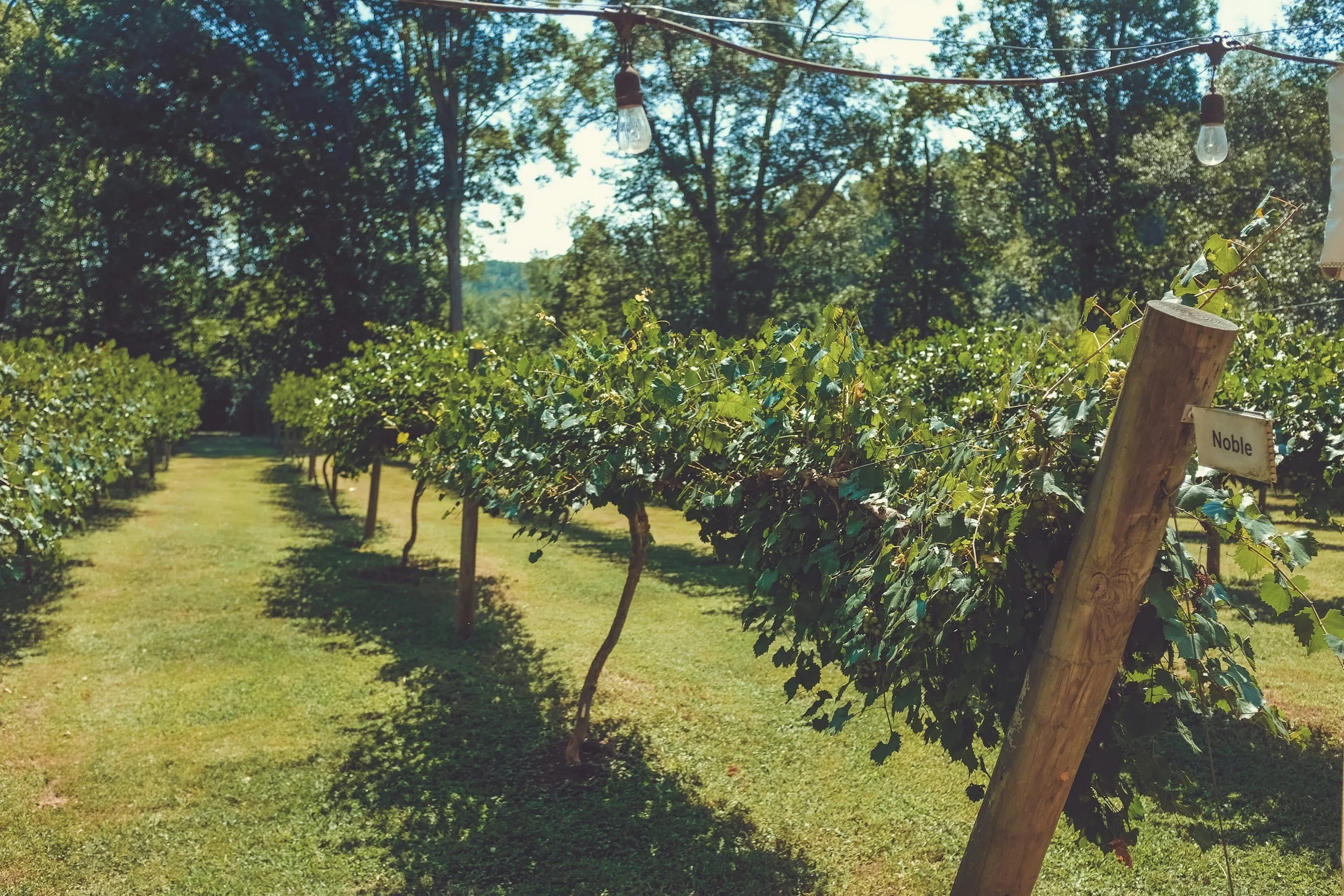
Agrotourism
Employment effects extend beyond the farm: seasonal and permanent jobs arise in hospitality, guiding, retail, and transportation. Agrotourism stimulates demand for local suppliers—landscaping, maintenance, marketing, and event planning—multiplying economic benefits within the community. Increased visitor traffic can revive nearby towns by supporting restaurants, shops, and cultural attractions, which encourages broader investment in infrastructure and amenities.
Cultural and environmental stewardship is another economic asset. By showcasing traditional practices and local foodways, agrotourism helps preserve heritage crafts and agricultural knowledge, creating niche markets and premium pricing. Sustainable practices promoted through tours—organic methods, conservation, agroforestry—appeal to conscious travelers and can attract grants or partnerships that fund community projects.
Challenges include seasonality, land-use conflicts, and capacity limits; thoughtful planning and community engagement mitigate these risks. Zoning, training programs, safety standards, and cooperative marketing help distribute benefits equitably and maintain quality experiences. Monitoring visitor impact and reinvesting a portion of revenues into community services and conservation ensures long-term viability.
In sum, agrotourism is a strategic complement to traditional agriculture that broadens revenue streams, creates jobs, supports local supply chains, and reinforces cultural and environmental assets—contributing to a more resilient, diversified community economy.