Tips for Managing Breast Cancer Treatment
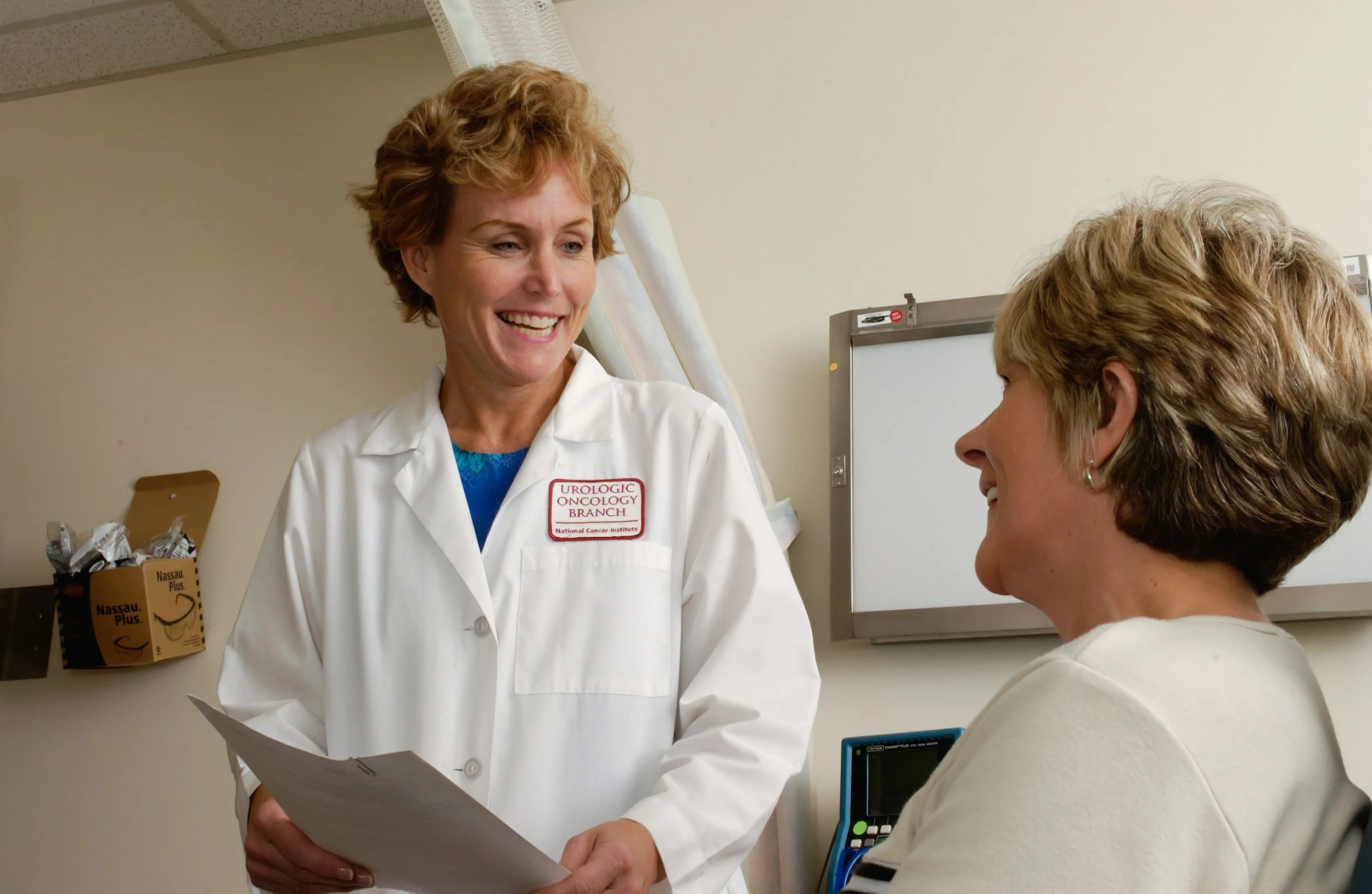
Tips for Managing Breast Cancer Treatment
Understand your diagnosis and treatment options
Ask your oncologist for clear explanations of the cancer stage, receptor status (ER/PR/HER2), and recommended treatment plan.
Request written summaries or reliable printed materials so you can review details later.
If uncertain, seek a second opinion from another breast cancer specialist.
Build a multidisciplinary care team
Include a medical oncologist, surgical oncologist, radiation oncologist (if applicable), a nurse navigator, and supportive specialists (nutritionist, physical therapist, mental health professional).
Coordinate care so appointments, tests, and treatments are organized and you avoid unnecessary delays.
Prepare for treatment side effects
Learn common side effects for your specific therapies (chemotherapy, radiation, hormonal therapy, targeted therapy) and how they are treated or prevented.
Keep a symptom diary to track nausea, fatigue, pain, neuropathy, skin changes, or mood shifts and report them early.
Ask about medicines or interventions to prevent nausea, manage pain, protect heart function, or reduce risk of infection.
Prioritize nutrition and hydration
Aim for a balanced diet with adequate protein, healthy fats, fruits, vegetables, and whole grains to support healing and immune function.
Work with a registered dietitian familiar with cancer care to manage appetite changes, weight loss, or treatment-related digestive issues.
Stay well-hydrated, especially during chemotherapy or if experiencing vomiting or diarrhea.
Manage fatigue and maintain activity
Expect fatigue; conserve energy by pacing activities and prioritizing tasks.
Gentle, regular exercise (walking, stretching, supervised resistance training) can reduce fatigue, maintain muscle mass, and improve mood—get guidance from your care team.
Practice good sleep habits and use short naps if needed.
Protect your immune system
Discuss timing for vaccinations and precautions with your oncology team.
Avoid crowded places and close contact with sick people during periods of low white blood cell counts.
Maintain good hand hygiene and food safety practices.
Address emotional and mental health
Acknowledge emotional responses: fear, anxiety, sadness, or anger are common.
Seek counseling, support groups, or psycho-oncology services; family therapy can help caregivers and loved ones.
Consider mindfulness, relaxation techniques, or structured programs for coping.
Plan for fertility and sexual health
If of childbearing potential, discuss fertility preservation options before starting treatments that may impair fertility.
Talk openly with your care team about sexual side effects and possible treatments or referrals.
Monitor and prevent lymphedema
Learn lymphedema risk factors after surgery or radiation; follow recommended precautions for the affected arm/breast area.
Perform gentle exercises and skin care as advised and consult a lymphedema therapist at the first sign of swelling.
Keep medications and follow-up on schedule
Use pill organizers, alarms, or apps to track oral medications, hormonal agents, and symptom drugs.
Attend scheduled follow-up visits, scans, and blood tests so recurrence or complications are detected early.
Understand financial and logistical resources
Discuss treatment costs, insurance coverage, and potential financial assistance programs with the hospital social worker or patient navigator.
Ask about transportation services, home care, and community support options if needed.
Make informed lifestyle adjustments
Avoid tobacco and limit alcohol; both can affect treatment outcomes and recovery.
Maintain a practical plan for work, caregiving, and daily responsibilities—communicate needs to employers and family.
Advocate for clear communication
Bring a trusted person to appointments to help remember information and ask questions.
Prepare a list of questions before visits and request written instructions about next steps, medications, and warning signs that require urgent attention.
Keep records and personal notes
Maintain a single folder or digital file with pathology reports, imaging results, treatment summaries, medication lists, and contact information for all providers.
This helps coordinate care and is useful when seeking second opinions.
Stay informed, but filter information
Rely on reputable medical sources and your care team rather than unverified online remedies.
Discuss any complementary therapies (acupuncture, supplements, herbal remedies) with your oncologist to avoid harmful interactions.
Final note Each patient’s situation is unique—these tips are general guidance. Always follow personalized