Keeping betta fish (Betta splendens) healthy and happy in an aquarium requires attention to tank size, water quality, diet, environment, and routine care. Below are clear, practical steps and tips.
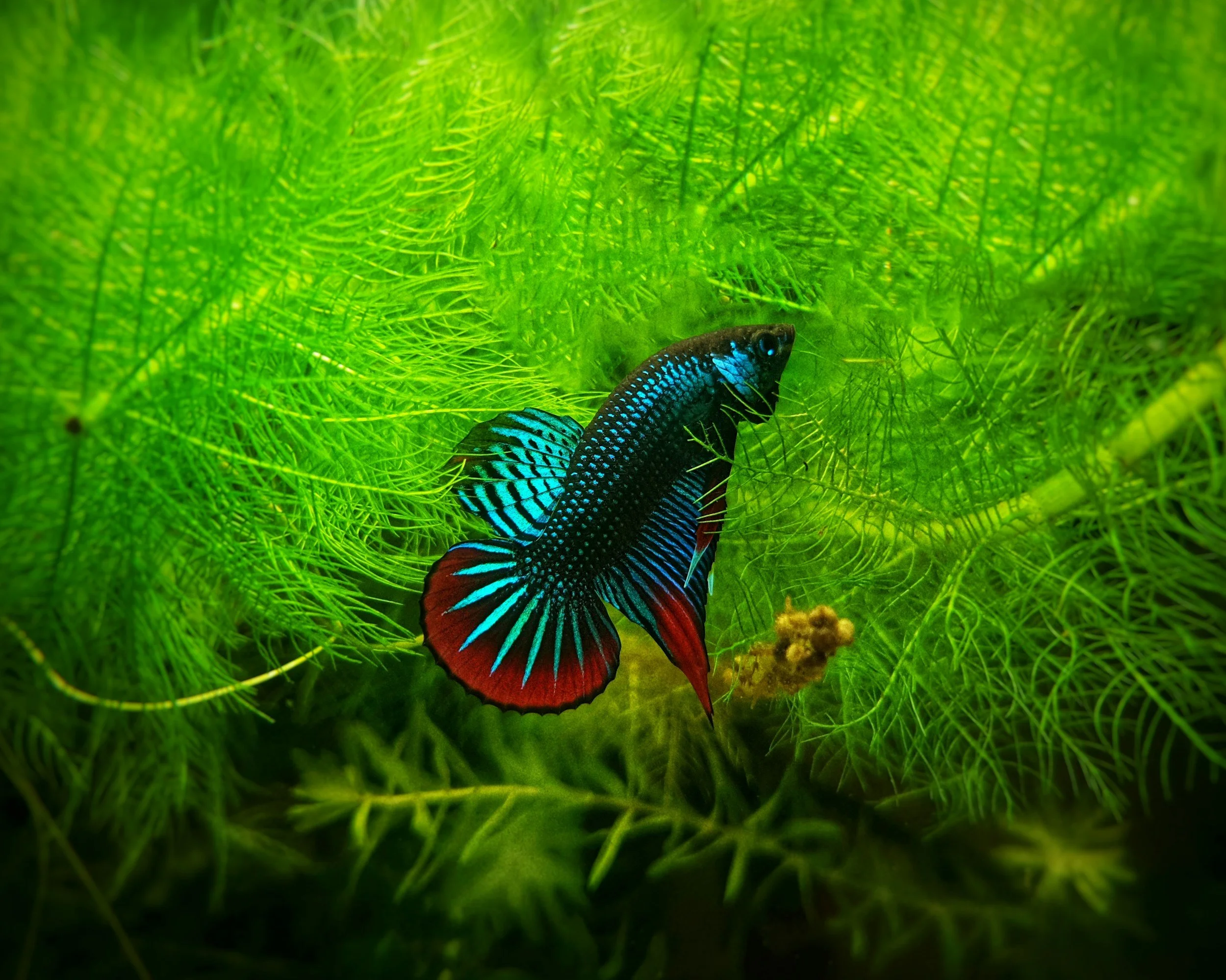
betta fish
Tank size and setup
Minimum tank size: 5 gallons (19 liters) per betta. Larger tanks are easier to maintain and healthier for the fish.
Filter: Use a low-flow filter. Bettas prefer calm water; adjustable flow or sponge filters work well.
Heater: Bettas are tropical fish; maintain temperature between 76–82°F (24–28°C). Use an accurate aquarium heater and a thermometer.
Substrate and decor: Provide hiding spots with plants, caves, or ornaments. Smooth surfaces prevent fin damage. Live plants (anubias, Java fern, moss) improve water quality and enrichment.
Lid or cover: Bettas can jump; keep a secure lid with ventilation.
Water quality and maintenance
Cycle the tank before adding a betta: Establish beneficial bacteria to process ammonia and nitrite. Use a test kit to confirm 0 ppm ammonia and nitrite, and low nitrate (<20–40 ppm).
Water parameters: pH 6.5–7.5 is acceptable. Maintain stable temperature and chemistry.
Partial water changes: Do 20–30% weekly for a 5–10 gallon tank. Larger tanks may need less frequent changes. Use dechlorinated water at matching temperature.
Conditioning: Use a water conditioner to remove chlorine, chloramines, and detoxify heavy metals.
Filtration maintenance: Rinse filter media in tank water (not tap water) during water changes to preserve beneficial bacteria.
Feeding
Diet: High-quality betta pellets as staple (designed for carnivorous fish). Supplement occasionally with freeze-dried or frozen foods (bloodworms, brine shrimp, daphnia).
Frequency and portion: Feed 1–2 small meals per day, only what the betta can eat in 2 minutes. Avoid overfeeding; uneaten food fouls water.
Fasting: One day a week without food can help prevent constipation.
Tankmates and social behavior
Solitary nature: Male bettas are territorial and should not live with other male bettas. Males often fight to the death.
Compatible tankmates: Choose peaceful, non-fin-nipping species that occupy different water levels (snails, small peaceful bottom-dwellers like corydoras in sufficiently large tanks, some peaceful shrimp, small rasboras or ember tetras in groups). Monitor interactions closely.
Female bettas: Can sometimes be kept in groups (a “sorority”) in larger tanks with careful monitoring and proper introduction, but this requires experience.
Avoid: Fin-nippers, large aggressive fish, and fast-moving species that stress bettas.
Health and behavior monitoring
Observe daily: Look for changes in appetite, activity, coloration, or fins. Common signs of illness: fin rot (frayed fins), ich (white spots), bloating, lethargy, gasping at the surface.
Quarantine new additions: Keep new fish or plants in a separate quarantine tank for 2–4 weeks to avoid introducing disease.
Treatments: Identify issues before medicating. Use appropriate aquarium-safe treatments and remove activated carbon from filters during treatment as directed.
Lighting and day/night cycle
Light: Provide a regular day/night cycle—about 8–10 hours of light daily. Turn lights off at night to allow rest.
Avoid direct sunlight: To prevent algae blooms and temperature spikes.
Cleaning and routine
Weekly check: Test water parameters and perform partial water change as needed.
Monthly tasks: Clean substrate with a gravel vacuum, gently clean tank glass, and inspect equipment.
Replace filter media per manufacturer guidelines, but stagger media changes to preserve beneficial bacteria.
Common mistakes to avoid
Keeping bettas in small bowls or vases without filtration or heating.
Overfeeding.
Rapid water changes that shock the fish.
Housing male bettas together or with aggressive tankmates.
Sudden temperature or parameter swings.
Quick checklist before bringing a betta home
Established, cycled tank (5+ gallons)
Heater and thermometer installed
Low-flow filter running
Decor and hiding spots in place
Water conditioned and temperature stable
Bettas’ food on hand
Following these guidelines will give your betta a stable, enriched environment and greatly increase its chances of a long, healthy life.