How to care for koi fish to produce good quality koi
Caring for koi fish to produce high-quality specimens requires attention to genetics, water quality, nutrition, pond design, disease prevention, and selective breeding practices. Good koi are judged by body conformation, skin quality, color, pattern, and overall health. Follow these practical guidelines to maximize the chance of producing top-quality koi.
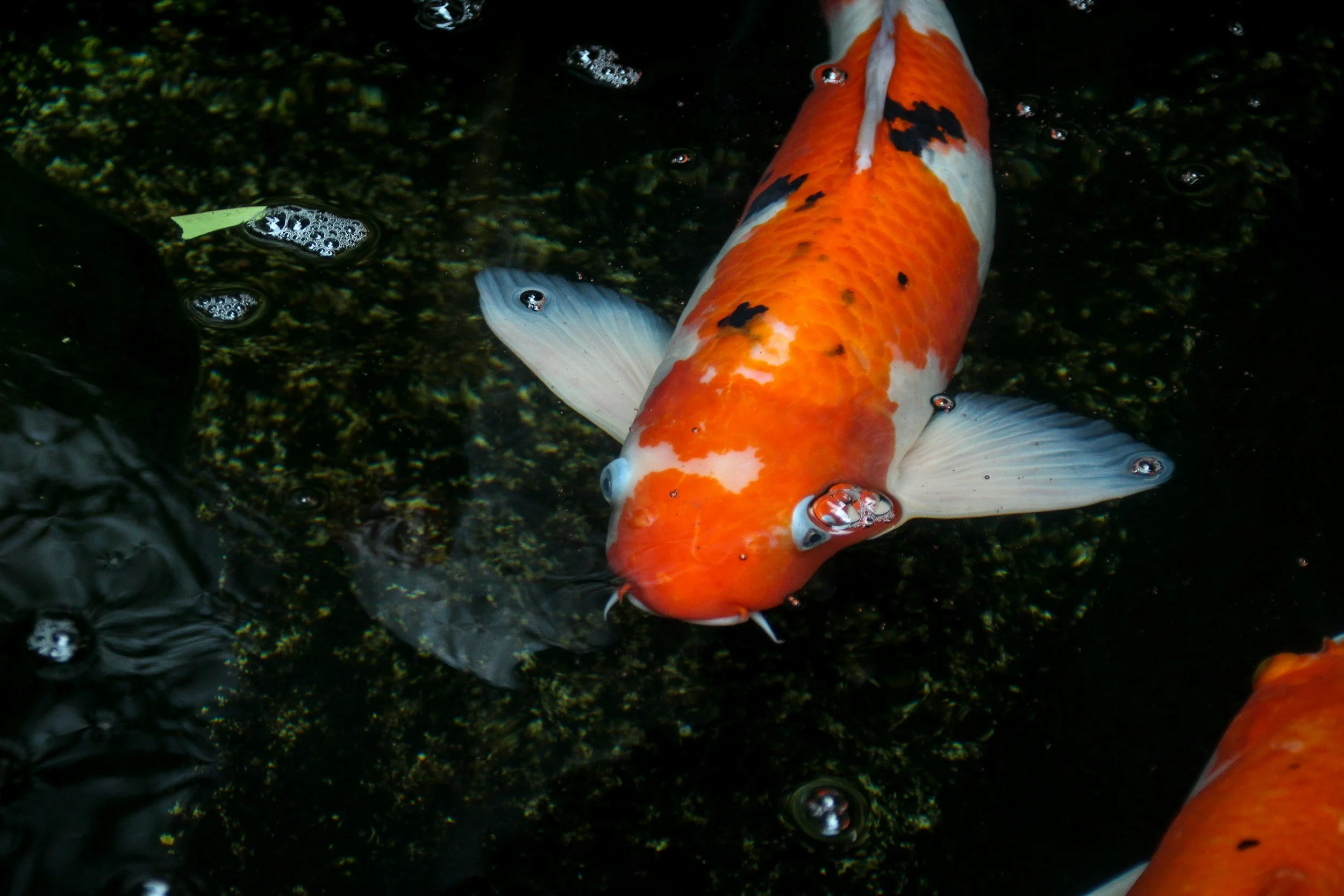
fish koi
Pond design and environment
Provide adequate space. Koi need room to grow; a minimum depth of 3–4 feet (0.9–1.2 m) is recommended to protect from temperature swings and predators. For serious breeding and high-quality growth, deeper ponds (4–6 feet) are better. Stocking density should be conservative—overcrowding stresses fish and reduces growth and color.
Ensure good filtration and water movement. Mechanical filters remove debris; biological filtration maintains beneficial bacteria to process ammonia and nitrite. Use a pump and suitable plumbing to create circulation and surface agitation to promote oxygen exchange.
Maintain stable water parameters. Ideal ranges: temperature 68–77°F (20–25°C) for optimal growth (spawning typically occurs ~68–74°F), pH 7.0–8.0, ammonia and nitrite at 0 ppm, nitrate as low as possible (preferably <40 ppm). Monitor regularly with reliable test kits.
Provide aeration. Air stones or surface movers maintain dissolved oxygen, especially in warm months and during feeding.
Nutrition and feeding
Feed a high-quality, nutritionally balanced koi formula appropriate to the season and growth stage. Protein content of 30–40% supports growth in juveniles and grow-out; lower protein (e.g., 28%) is fine in cooler months.
Use color-enhancing feeds during growth phases that include carotenoids and spirulina to support bright pigments, but avoid over-reliance—genetics and water quality strongly influence color.
Feed multiple small meals rather than one large meal. Adjust feeding according to water temperature; metabolism slows below ~50°F (10°C) and feeding should be reduced or stopped accordingly.
Do not overfeed. Uneaten food degrades water quality and increases disease risk.
Health management and hygiene
Quarantine new fish for 2–4 weeks before introduction to prevent disease introduction. Observe for parasites, bacteria, and fungal issues.
Maintain regular pond maintenance: remove debris, vacuum sediment, clean filters per manufacturer guidelines without destroying beneficial bacteria (stagger cleaning).
Regularly inspect fish for signs of illness (lethargy, clamped fins, lesions, abnormal swimming). Early detection allows easier treatment.
Use salt baths and appropriate medications when necessary, guided by accurate diagnosis. Work with a veterinarian or experienced koi keeper for serious outbreaks.
Control parasites with prophylactic treatments when warranted, but avoid unnecessary medication.
Selective breeding and genetics
Start with high-quality broodstock. Good genetics are the foundation for color, pattern, and body shape.
Select breeders based on desired traits: balanced body conformation, clear colors, sharp pattern edges, and sound health.
Record pedigrees and performance of spawns to track inheritance of traits. Cull offspring that do not meet standards early to focus resources on promising fish.
Manage spawn timing and conditions to produce large, healthy fry: provide spawning mats, maintain warm stable temperatures during breeding season, and protect eggs from predation and fungal infection.
Raise fry on high-protein starter feeds, transition gradually to grow-out feeds, and grade (separate by size) regularly to reduce competition and deformities.
Additional considerations
Lighting and UV: Natural daylight is fine; avoid excessive artificial lighting that stresses fish. Use UV sterilizers to control free-floating pathogens but ensure proper sizing and maintenance.
Seasonal care: Provide winter strategies (deeper refuges, aeration, partial feeding) and summer cooling strategies (shade, increased aeration). Rapid temperature swings harm fish and expression of color.
Patience and record-keeping: Producing top-quality koi can take years. Keep detailed records of water parameters, feeding, health treatments, breeding dates, and outcomes to refine practices.
By combining optimal pond conditions, consistent nutrition, strong biosecurity, and rigorous selective breeding, you improve the odds of producing koi with excellent body type, vivid color, and clean patterns. Quality koi production is a long-term commitment that blends husbandry skills with careful genetic selection.