Implementing environmentally friendly hatchery practices for catfish (Clarias spp.) involves optimizing broodstock management, water use, waste reduction, and disease prevention while maintaining production efficiency. Below are practical, science-based approaches to make catfish seed production more sustainable.
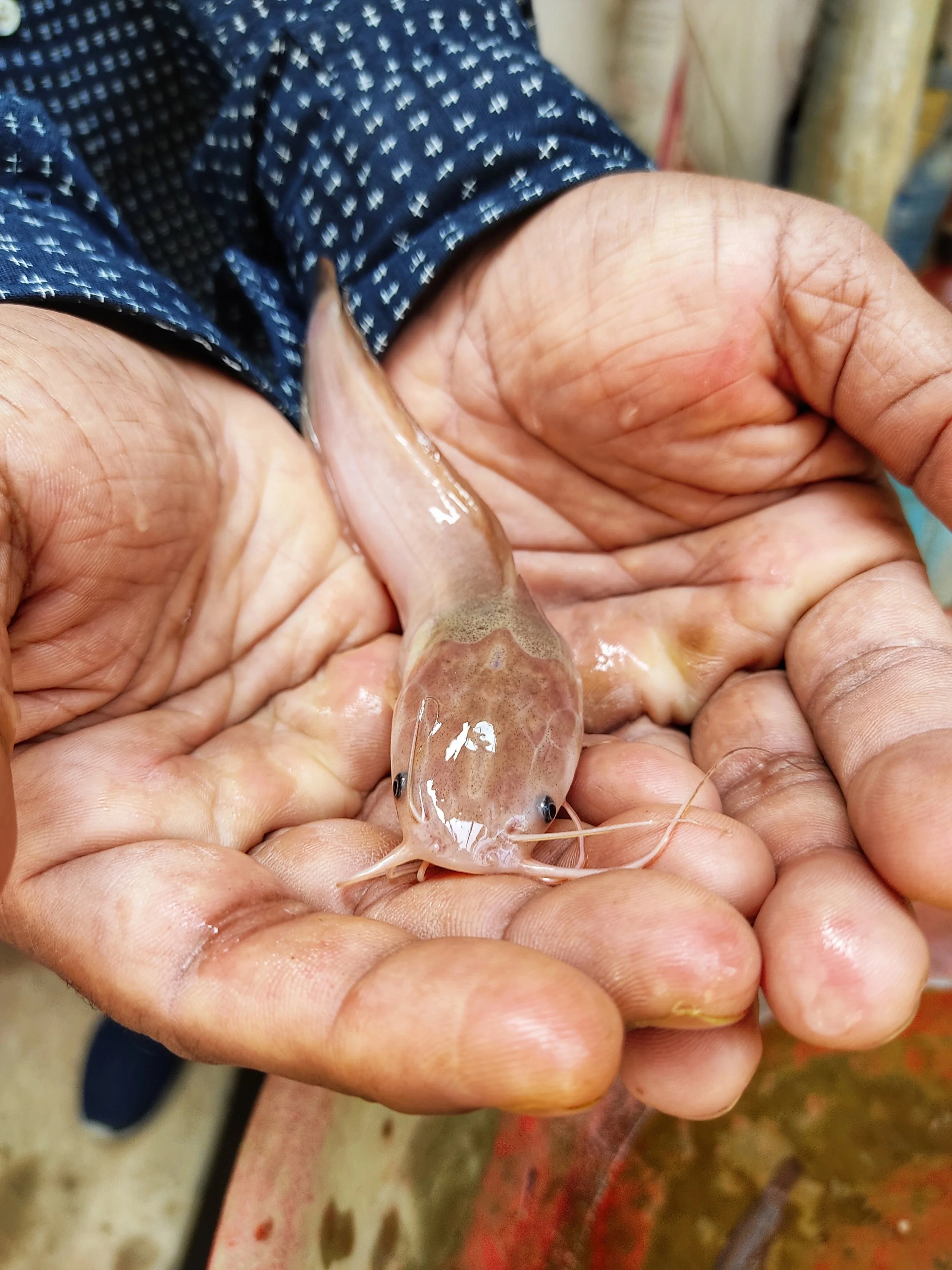
catfish
Broodstock selection and management
Choose locally adapted, disease-resistant broodstock to reduce the need for antibiotics and chemical treatments. Regularly evaluate broodstock performance (growth, survival, fecundity) and replace poor performers.
Use proper nutrition and conditioning of broodstock with balanced diets (high-quality protein, essential fatty acids, vitamins) to improve egg quality and larval vigor, reducing mortalities and the need for corrective interventions.
Implement controlled breeding schedules to avoid overuse of individual brooders and to maintain genetic diversity. Consider simple selection programs to improve traits like growth rate and disease resistance over generations.
Water management and conservation
Use water recirculation and partial reuse: adopt simple recirculating aquaculture system (RAS) components such as mechanical filters, biofilters, and settling tanks to reduce freshwater intake and discharge volume. Even modest improvements in filtration and reuse drastically cut water consumption.
Collect and store rainwater for hatchery use when possible to reduce pressure on local water sources.
Practice staged water exchange: avoid continuous high-volume exchanges; instead replace water based on water quality parameters (ammonia, nitrite, dissolved oxygen, pH) to minimize unnecessary discharges.
Waste control and nutrient recycling
Treat effluents before release: settle solids and use constructed wetlands or vegetated filter beds to reduce suspended solids, nutrients, and pathogens in outflow water. These natural systems are low-cost and effective for small- to medium-scale hatcheries.
Capture and compost hatchery sludge and mortalities where permitted; composted material can be used as fertilizer or disposed of safely.
Integrate aquaponic or plant production systems to use nutrient-rich water from the hatchery to grow vegetables or fodder, turning waste into value while further cleaning the water.
Disease prevention and responsible chemical use
Prioritize biosecurity: restrict access to hatchery areas, disinfect footwear and equipment, quarantine new broodstock, and monitor fish health daily. Preventing disease lowers the need for antibiotics and chemical therapeutics.
Use probiotics, immunostimulants, and phytotherapeutics where appropriate as preventive measures rather than relying on antibiotics. Only use antibiotics and chemicals when absolutely necessary and under veterinary guidance, following withdrawal and environmental regulations.
Maintain optimal stocking densities and water quality to reduce stress, a major factor in disease outbreaks.
Energy efficiency and infrastructure
Design hatchery layout to minimize pumping distances and energy use. Use energy-efficient pumps, gravity-fed systems where feasible, and timed aeration to reduce power consumption.
Employ solar-powered aerators or pumps in locations with good solar resources to lower carbon footprint and operating costs.
Record-keeping, monitoring, and continuous improvement
Keep detailed records of broodstock lineage, feeding, water quality, treatments, mortalities, and yields. Use this data to identify problems early and refine management practices.
Train staff in sustainable practices and environmental awareness; local capacity building improves compliance and long-term operation.
Perform regular water quality testing (temperature, dissolved oxygen, ammonia, nitrite, pH) and adjust management quickly in response to deviations.
Community and regulatory alignment
Coordinate with local water users and authorities to ensure hatchery operations do not harm shared resources. Follow effluent standards and obtain required permits.
Explore certification schemes or buyer requirements that reward eco-friendly practices to access premium markets.
By implementing these measures—better broodstock management, water recycling, waste treatment, preventive health management, energy efficiency, and systematic monitoring—catfish hatcheries can reduce environmental impact while maintaining or improving seed quality and production efficiency.