Maximizing Profit: The Ultimate Guide to Marketing Table Fish
Tips for marketing table fish to maximize profit
Know your market
Identify customer segments: households, restaurants, hotels, and retailers.
Study local taste preferences, price sensitivity, and peak buying times.
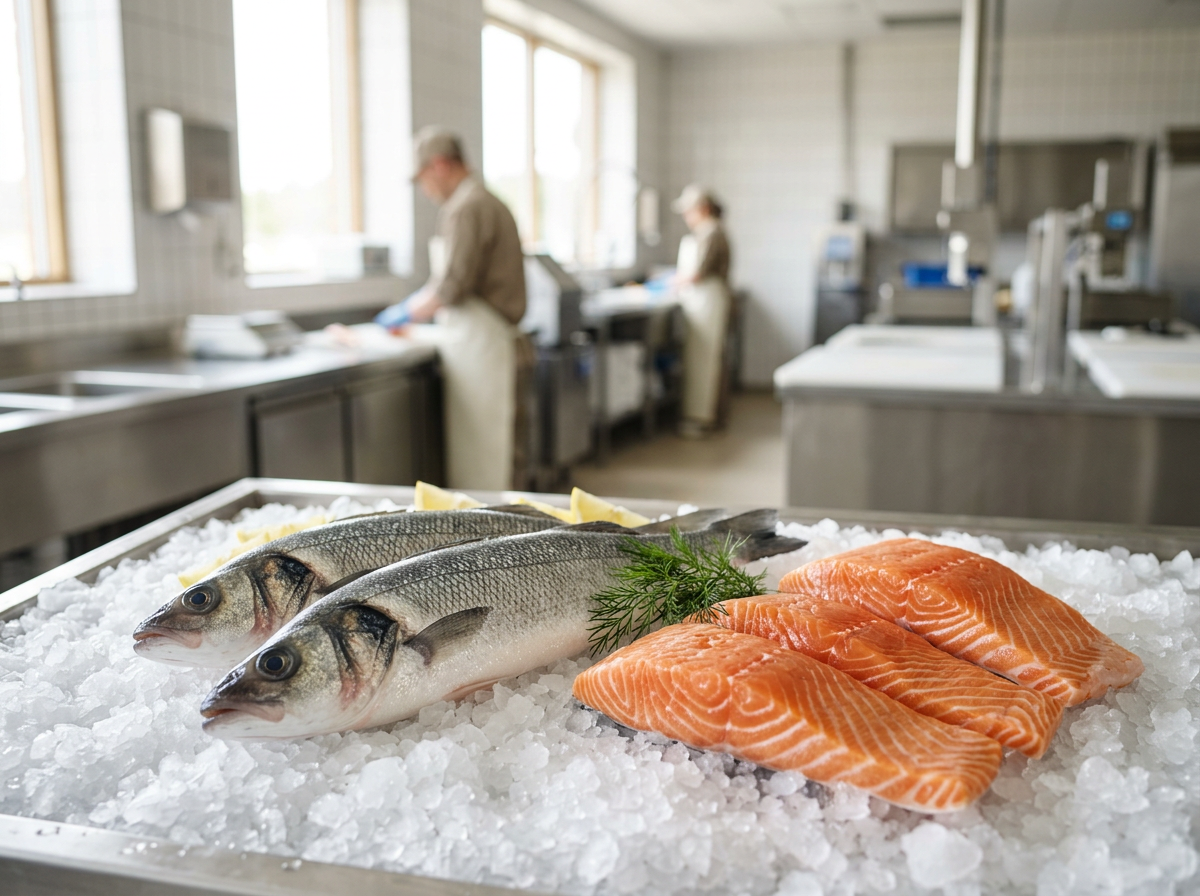
Photo created with AI
Ensure consistent quality
Maintain freshness with good handling: rapid chilling, clean transport, and hygienic packing.
Offer size and species consistency to meet buyer expectations.
Price strategically
Use tiered pricing by size, species, or processing level (fresh, gutted, filleted).
Monitor competitor prices and adjust quickly for seasonality or supply changes.
Differentiate your product
Promote attributes: wild vs. farmed, organic feed, low-fat, or sustainably sourced.
Provide value-added options: cleaned, portioned, smoked, or vacuum-packed.
Build reliable supply chains
Partner with trusted distributors, markets, and retailers.
Optimize logistics: reduce time from harvest to sale to maintain quality and margin.
Strengthen relationships and promotion
Offer samples, volume discounts, and credit terms to regular buyers.
Use social media, local food events, and targeted ads to reach chefs and households.
Control costs and improve yield
Reduce post-harvest losses with better handling and storage.
Optimize feed, stocking, and health management to lower production cost per kilogram.
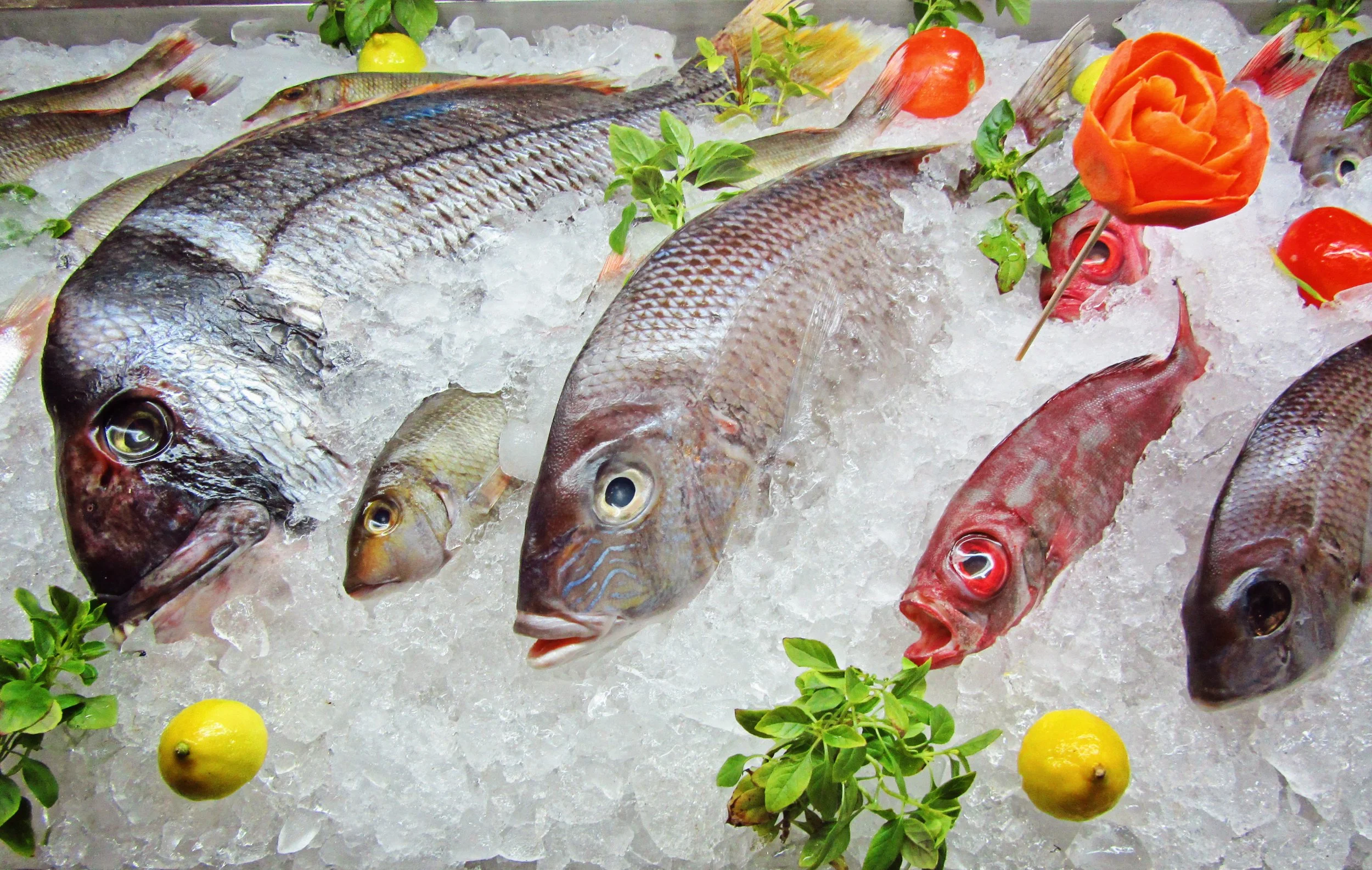
fish
Track and adapt
Keep records of sales, costs, and customer feedback.
Adjust production and marketing based on performance and market trends.
Implement these steps consistently to increase market demand, reduce costs, and achieve optimal profitability.