Identifying and Treating Common Diseases in Giant Gourami Aquaculture
Giant gourami (Osphronemus goramy) are hardy but still susceptible to several diseases. Below are common types, their signs, causes, and brief management notes.
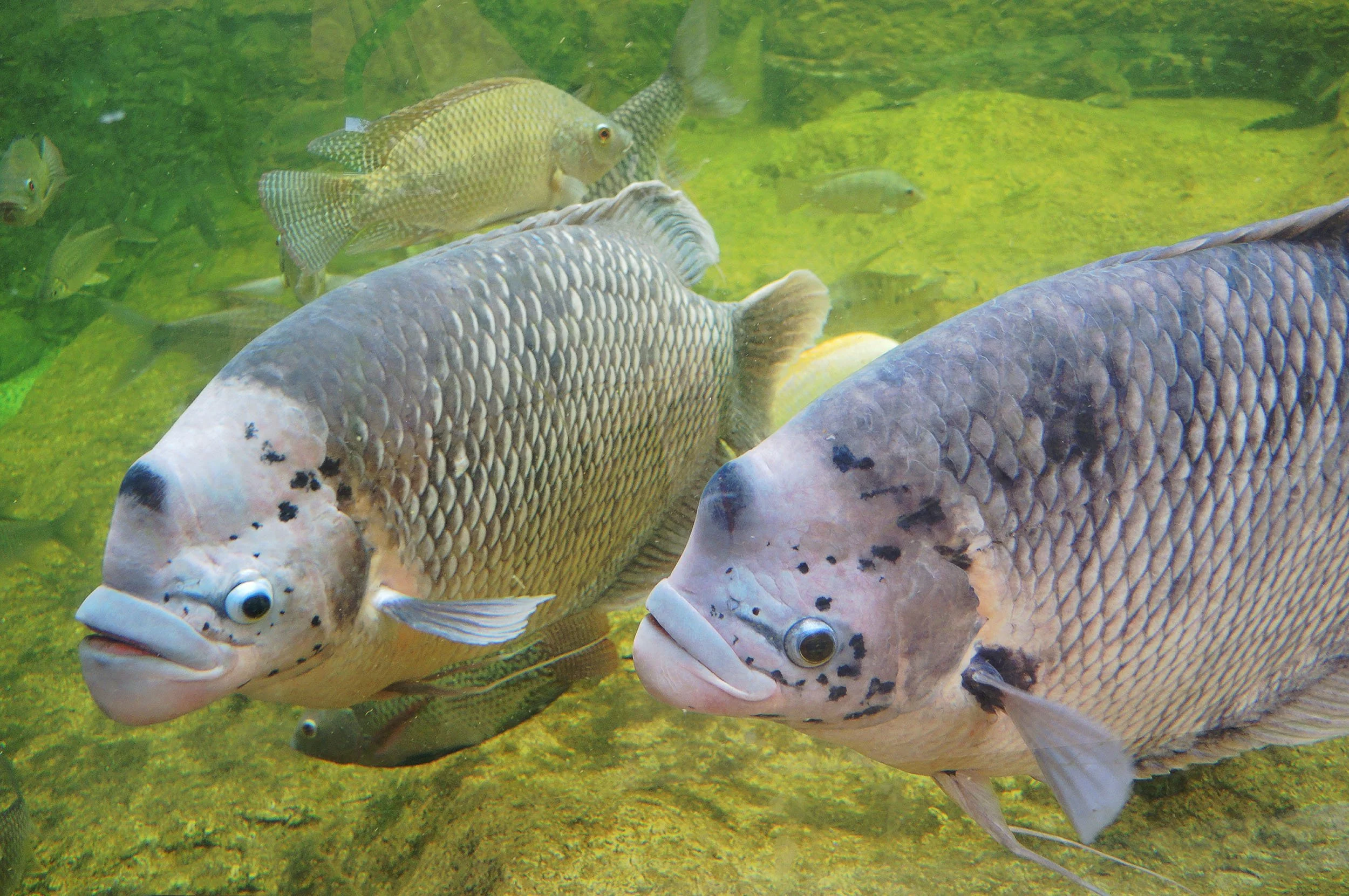
Giant gourami
Parasitic infections
Examples: Ichthyophthirius (ich), gill flukes, skin flukes, anchor worms.
Signs: White spots (ich), flashing/rubbing, rapid breathing, clamped fins, visible worms or lesions.
Causes: Poor water quality, stress, introduction of infected fish.
Management: Improve water quality, quarantine new fish, treat with appropriate antiparasitic medications (formalin, praziquantel, or copper-based treatments depending on parasite) following label instructions.
2. Bacterial infections
Examples: Columnaris, Aeromonas and Pseudomonas infections (fin rot, ulcers, septicemia).
Signs: Fin erosion, cottony or ragged fins, red sores, hemorrhages, lethargy, loss of appetite.
Causes: Stress, injuries, poor water conditions, overcrowding.
Management: Correct water parameters, remove dead material, isolate sick fish, use approved antibiotics via immersion or mixed in feed (medicated feed), as recommended by a veterinarian or aquaculture specialist, strictly following localized aquaculture regulations.
3. Fungal infections
Examples: Saprolegniasis (water mold).
Signs: Cotton wool–like growths on skin, fins, or gills, often after injury or secondary to other diseases.
Causes: Secondary infection after trauma or weakened immunity.
Management: Improve water quality, remove affected tissue if feasible, treat with antifungal dips or medicated baths (methylene blue).
4. Viral diseases
Examples: Lymphocystis and other viral syndromes.
Signs: Wart-like nodules, localized growths, reduced vigor.
Causes: Viral exposure, stressors.
Management: No specific antiviral treatment; isolate affected fish, maintain optimal conditions to support recovery, cull severe cases to prevent spread.
5. Environmental and nutritional disorders
Examples: Ammonia/nitrate poisoning, hypoxia, vitamin deficiencies.
Signs: Gasping at surface, erratic swimming, poor growth, deformities.
Causes: Inadequate filtration, poor diet, low oxygen.
Management: Monitor and correct water chemistry, provide balanced diet, ensure aeration and proper stocking density.
Prevention: maintain stable water parameters, quarantine new fish, provide balanced nutrition, minimize stress, and monitor fish regularly for early signs.