Environmentally Friendly Catfish (Clarias) Farming
Environmentally friendly catfish farming focuses on maximizing production while minimizing negative impacts on water, soil, and biodiversity. Key practices include:
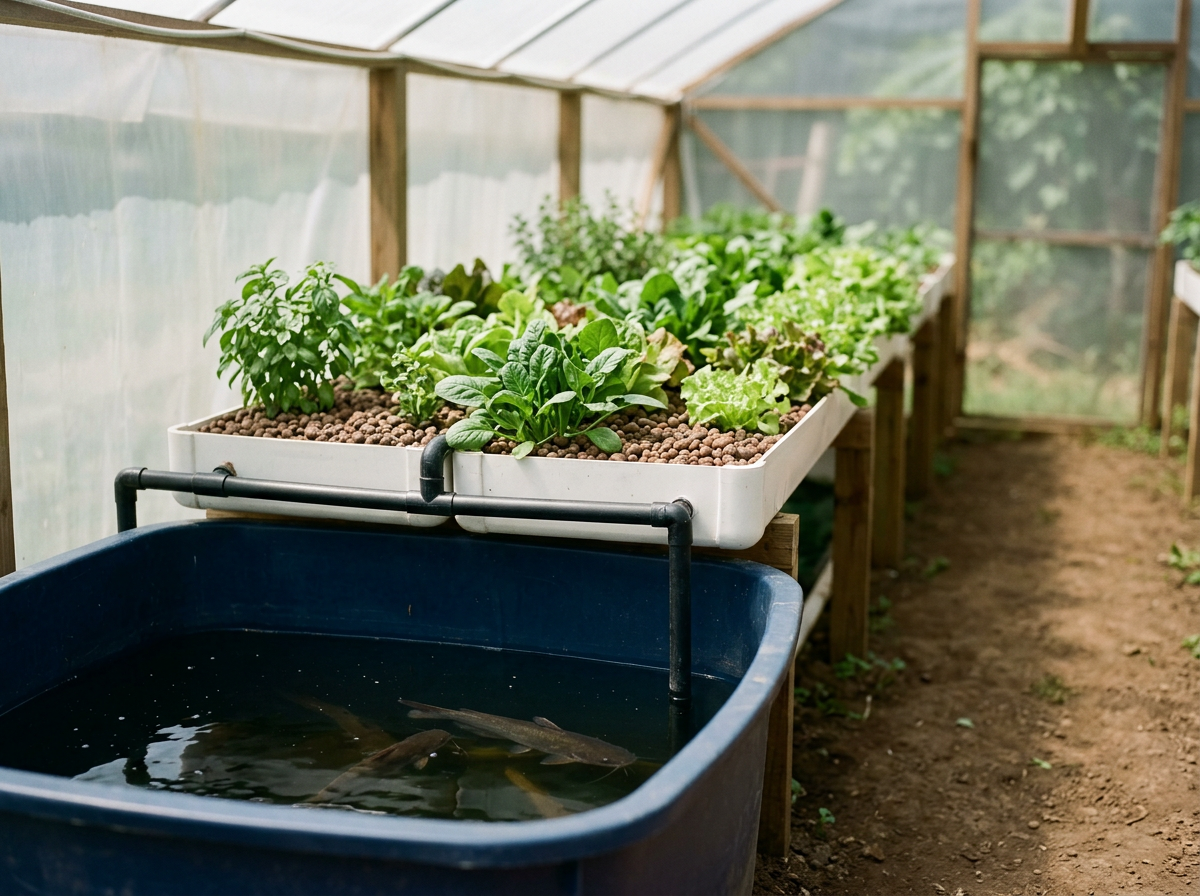
Environmentally friendly catfish farming (Photo created with AI.)
Site selection and pond design
Choose sites away from sensitive ecosystems and with good natural drainage. Use geomembrane-lined ponds or compacted soils to prevent seepage and groundwater contamination.
Design ponds for optimal water flow and aeration: inlet and outlet structures, gentle slopes, and adequate depth to reduce temperature extremes.
Water management
Implement water recirculation systems (RAS) or partial water exchange to reduce total water use and pollutant discharge.
Monitor water quality regularly (DO, pH, ammonia, nitrite, temperature) and adjust aeration and feeding accordingly.
Use settling ponds or constructed wetlands to treat effluent and capture nutrients before discharge.
Feed and nutrition
Use high-quality, nutritionally balanced feeds to improve feed conversion ratio (FCR) and reduce waste.
Prefer locally produced or sustainable feed ingredients and consider alternative protein sources (insect meal, soybean) to lower reliance on wild fishmeal.
Employ controlled feeding strategies and automatic feeders to avoid overfeeding.
Stocking and health management
Practice appropriate stocking densities to reduce stress, disease, and water quality deterioration.
Source disease-free fingerlings and use quarantine when introducing new stock.
Prioritize preventive health measures: good sanitation, regular pond drying, probiotics, and minimal, targeted use of therapeutics following veterinary guidance.
Biodiversity and integrated farming
Maintain riparian vegetation and buffer zones to support local biodiversity.
Record keeping and certification
Keep production, feed, and health records to monitor performance and environmental footprint.
Pursue eco-labels or local sustainability certifications to access premium markets.
These practices help produce healthy catfish, conserve resources, and protect surrounding ecosystems while improving farm profitability.