Keeping betta fish (Betta splendens) at home requires attention to water quality, tank setup, feeding, and general care to ensure a healthy, vibrant fish. Follow these practical steps:
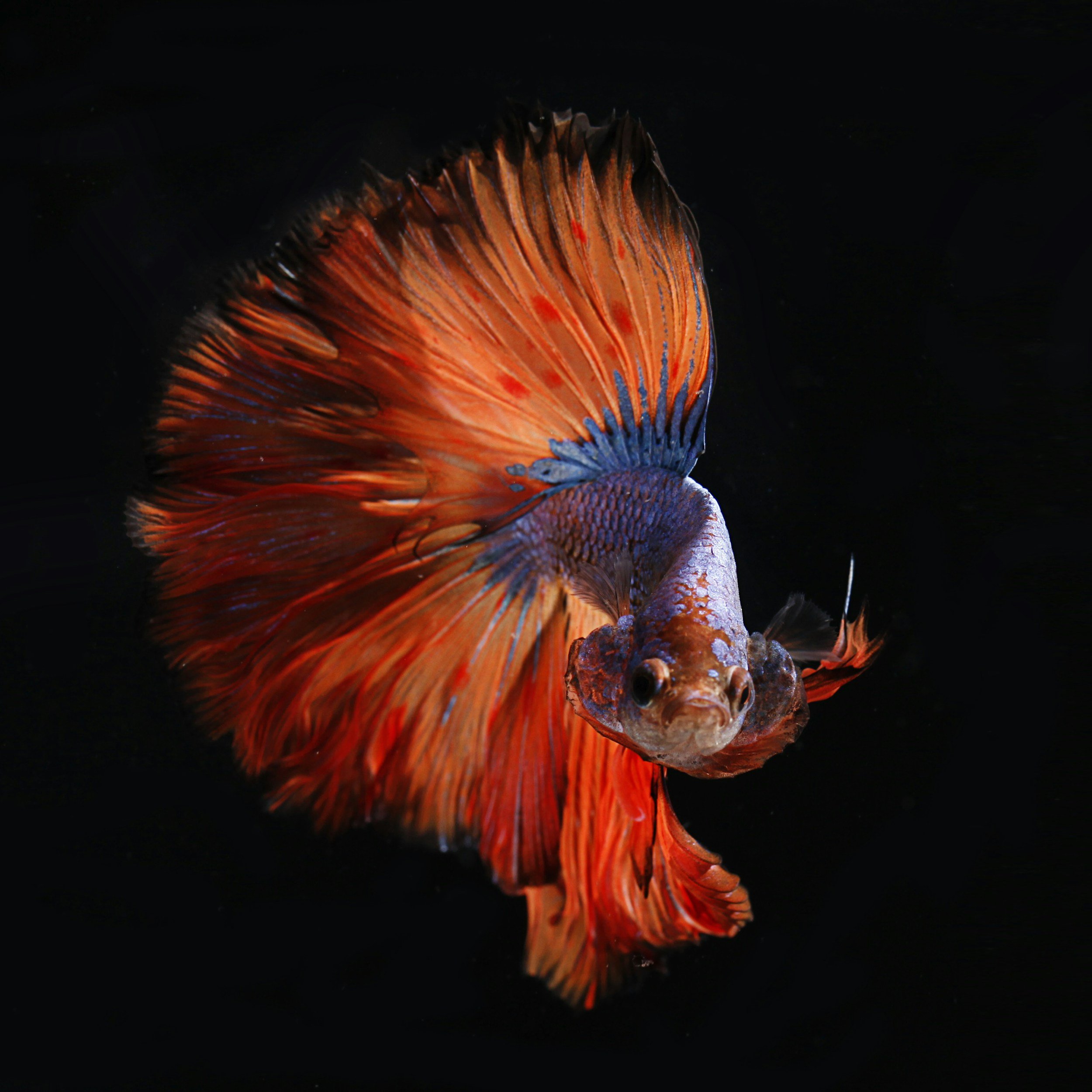
betta fish
Choose an appropriate tank
Minimum size: Provide at least a 5-gallon (19 liters) tank for a single betta. Larger tanks are easier to maintain and offer healthier environments.
Shape: Wider tanks with more surface area are better for gas exchange.
Cover: Bettas can jump, so use a lid or cover with ventilation.
Set up filtration and heating
Filter: Use a gentle filter with adjustable flow. Strong currents stress bettas; choose sponge filters or low-flow internal filters.
Heater: Bettas are tropical fish and need stable temperatures between 76–82°F (24–28°C). Use an adjustable aquarium heater and a reliable thermometer.
Cycling: Cycle the tank before adding the betta. Establish beneficial bacteria to process ammonia and nitrites by running the filter and using biological media, or perform a fishless cycle using an ammonia source and test kits.
Prepare water and maintain water quality
Water treatment: Treat tap water with a dechlorinator to remove chlorine and chloramines.
Testing: Regularly test ammonia, nitrite, nitrate, and pH. Ideal conditions are: ammonia 0 ppm, nitrite 0 ppm, nitrate <20–40 ppm, pH 6.5–7.5 depending on local water.
Water changes: Perform weekly partial water changes of 25–50% depending on tank size and stocking. Use dechlorinated replacement water at the same temperature to avoid shock.
Provide appropriate environment and décor
Substrate: Use smooth gravel or sand. Avoid sharp decorations that can tear fins.
Plants: Live plants (Java fern, Anubias, Java moss, floating plants) improve water quality, provide hiding spots, and reduce stress. Silk plants are acceptable; avoid plastic plants with sharp edges.
Hiding spots: Add caves, driftwood, or ornaments to let the betta rest and hide.
Lighting: Provide a day/night cycle with aquarium lights—about 8–12 hours of light daily.
Feeding properly
Diet: Feed high-quality betta pellets as staple food, formulated for carnivorous needs. Supplement with frozen or live foods occasionally (brine shrimp, bloodworms, daphnia) for variety and nutrition.
Portion control: Feed small amounts once or twice daily, only what the fish can consume in 2 minutes to prevent overfeeding and water fouling. Fast one day per week if desired to help digestion.
Health monitoring and behavior
Observe daily: Watch for changes in color, fins, appetite, breathing, or unusual spots/lesions. Clamped fins, lethargy, gasping at the surface, or rapid breathing indicate problems.
Common issues: Fin rot, ich, velvet, and swim bladder problems are treatable if caught early. Quarantine new fish or plants to prevent disease introduction.
Interaction: Bettas recognize owners and may flare or follow your finger. Avoid constant tapping or stressing the fish.
Tankmates and compatibility
Solitary nature: Male bettas are territorial and usually must be kept alone or with carefully chosen tankmates in a sufficiently large tank.
Suitable companions: Peaceful bottom-dwellers or fast-swimming mid-level fish can sometimes coexist (e.g., certain small snails, shrimp species if water parameters suit both, and peaceful small schooling fish) but research compatibility and monitor closely.
Never house two adult males together; female sorority tanks require experience and space.
Routine maintenance
Clean filter media gently in tank water to preserve beneficial bacteria during water changes.
Vacuum substrate to remove waste.
Replace bulbs and check equipment periodically.
Consistent care, stable water parameters, and appropriate diet will keep a betta healthy and active for several years. Proper setup and attention to behavior and water quality are the keys to successful betta keeping at home.