Artificial spawning techniques for catfish are widely used to induce reproduction under controlled conditions, improve seed production, and synchronize spawning for hatchery operations. Catfish species commonly subject to artificial propagation include channel catfish (Ictalurus punctatus), Clarias spp. (African and Asian catfish), and Pangasius spp. Key components of successful artificial spawning include broodstock selection and management, hormonal induction, egg collection and handling, fertilization, and incubation/larval rearing.
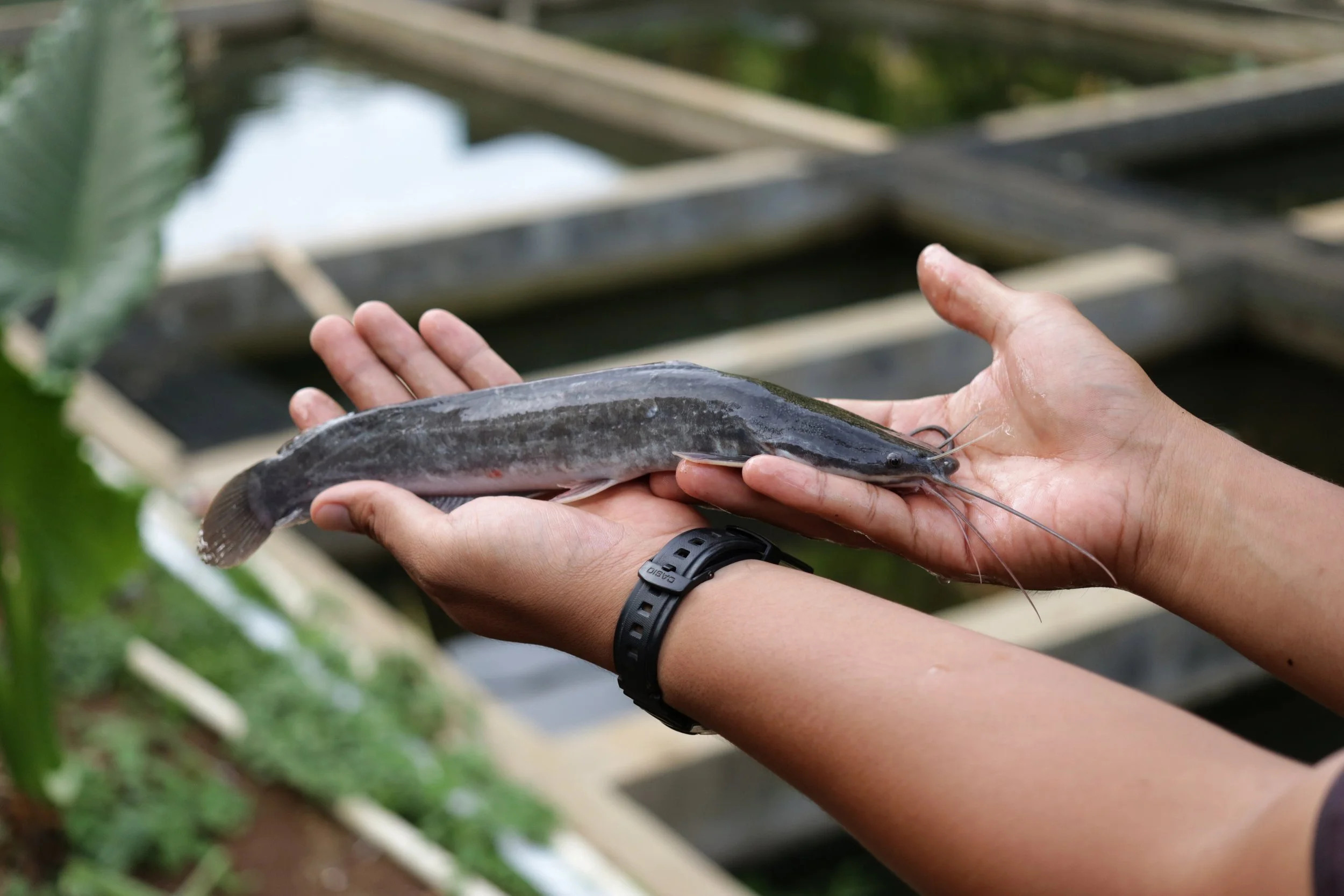
Catfish
Broodstock selection and preparation Select healthy, sexually mature broodstock with desirable growth and disease-free history. Maintain broodstock in good water quality, balanced nutrition, and appropriate photoperiod and temperature regimes to promote gonadal development. Many programs use a conditioning period of several weeks to months where brood fish receive high-protein diets (28–40% protein), vitamin supplementation, and stable water quality. Sex identification is species-dependent; for Clarias and channel catfish, males are generally slimmer, and females fuller-bodied when ripe.
Hormonal induction Natural spawning may be unreliable in captivity, so hormones are used to trigger final oocyte maturation and ovulation and spermiation. Common hormones include:
Human chorionic gonadotropin (hCG): widely used, effective for many catfish species. Dose varies by species and brood condition (typical: 500–2,500 IU/kg for females; lower for males).
Ovaprim or other synthetic GnRH analogs with dopamine antagonists: often preferred because they provide predictable responses with lower doses.
Carp pituitary extract or salmon pituitary extract: traditional agents, sometimes used in combination protocols.
Protocols often involve priming and resolving injections for females: a priming dose (smaller) followed after 6–12 hours by a resolving dose (larger) to induce ovulation. Males may receive a single injection timed to provide fresh sperm at egg stripping. Timing between injections and stripping must be optimized per species and water temperature, since ovulation window depends on degree-hours.
Egg collection, fertilization, and handling Once female ovulates, eggs are stripped manually by applying gentle abdominal pressure. Eggs of many catfish species are adhesive; to reduce stickiness and clumping, eggs can be treated with solutions such as dilute urea and salt, or albumin-based treatments, and diluted in clean water. Milt is collected from males by gentle stripping into clean containers; care must be taken to avoid urine contamination which reduces sperm motility.
Fertilization is done by mixing eggs and milt in a dry method (mix eggs and milt, then add activation water) or wet method (mix with a small volume of water). After mixing, eggs are activated with clean water and then rinsed. Use of extender solutions can prolong sperm motility when delays occur. Maintain hygienic practices to prevent pathogen introduction.
Incubation and larval rearing Incubation systems include flow-through trays, upwelling incubators, or hapa/mesh nets in tanks or ponds. Control water temperature, dissolved oxygen, and gentle water flow to prevent egg asphyxiation. Remove dead eggs promptly to reduce fungal growth. Hatching times vary with species and temperature—monitor closely.
After hatch, yolk-sac larvae should be held in clean water until yolk absorption (generally 2–7 days depending on temperature). Provide gentle aeration and maintain low current. First feeding typically begins when larvae show active mouth opening and swimming; live feeds such as rotifers, Artemia nauplii, or finely powdered high-quality dry feeds are used depending on larval development and species. Gradual weaning to formulated diets improves survival and growth.
Biosecurity and record-keeping Implement biosecurity measures to prevent disease transfer between broodstock and batches. Quarantine and screen new brood for pathogens, maintain records of hormone doses, timing, parentage, and hatch rates to optimize protocols.
Species-specific considerations Different catfish species respond differently to hormones and handling. Clarias species often spawn readily with Ovaprim at moderate doses and tolerate shallow pond/hapa spawning. Channel catfish are commonly induced with hCG for commercial fingerling production. Adjust protocols (dosage, timing, egg treatment) based on species, brood condition, and local experience.
Safety, legal, and ethical considerations Use certified hormones according to manufacturer instructions and local regulations. Ensure humane handling of broodstock and minimize stress throughout procedures.
Artificial spawning of catfish, when done correctly, enables predictable seed supply, selective breeding programs, and improved aquaculture productivity. Continuous monitoring and adaptation of protocols to local conditions and species-specific biology will yield the best results.