Maintaining the brightness (color vibrancy) of an arowana requires consistent water quality, proper nutrition, stress reduction, and appropriate lighting. Key practices:
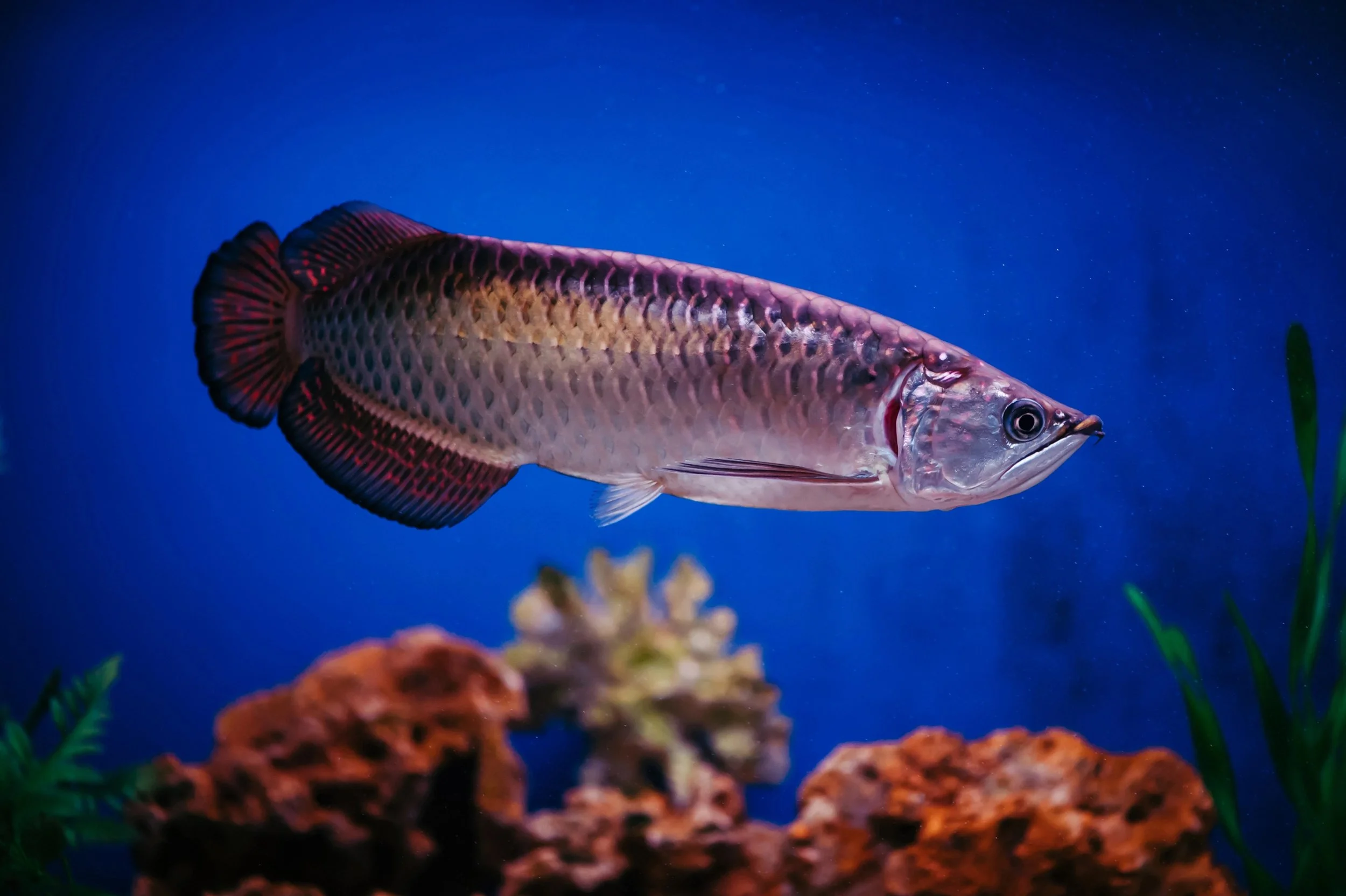
Scleropages Jardinii
Water quality
Keep ammonia and nitrite at 0 ppm; nitrate under 20–40 ppm. Test water weekly.
Perform regular water changes: 20–30% weekly or 30–50% biweekly depending on stocking and filtration.
Maintain stable temperature: 75–82°F (24–28°C) depending on species.
pH and hardness: most arowana species prefer pH 6.5–7.5 and moderate hardness; avoid sudden shifts.
Use efficient filtration and good surface agitation for oxygenation.
Nutrition
Feed a varied, high-quality diet rich in protein and carotenoids for color. Rotate foods:
Live/frozen: shrimp, krill, silversides, tilapia, earthworms (ensure disease-free sources).
Prepared: high-protein pellets formulated for carnivorous cichlids/aro wana with added astaxanthin or natural color enhancers.
Occasional treats: insects, feeder fish only from trusted suppliers.
Avoid overfeeding; feed 1–2 times daily for adults, more often for juveniles. Remove uneaten food promptly.
Lighting and tank environment
Provide a consistent light cycle: 8–10 hours light daily to help pigment development; avoid intense, prolonged lighting that causes stress or algae.
Use full-spectrum aquarium lights; some arowana owners use bulbs with slightly warmer tones to enhance reds/golds.
Include neutral backgrounds and minimal reflective surfaces to reduce stress and prevent color fading.
Stress reduction and health
House arowana in appropriately sized tanks (juveniles need 100+ gallons; adults 250+ recommended).
Avoid aggressive tankmates; maintain low population density.
Quarantine new fish and treat parasites promptly.
Monitor behavior and body condition; dullness can signal illness, poor diet, or water problems.
Consistent care over months is required; gradual improvement is normal.