Koi Fish Maintenance Management in Wall Ponds
Koi Fish Maintenance Management in Wall Ponds
Wall ponds require focused management to keep koi healthy and vibrant. Proper design and routine practices are essential.
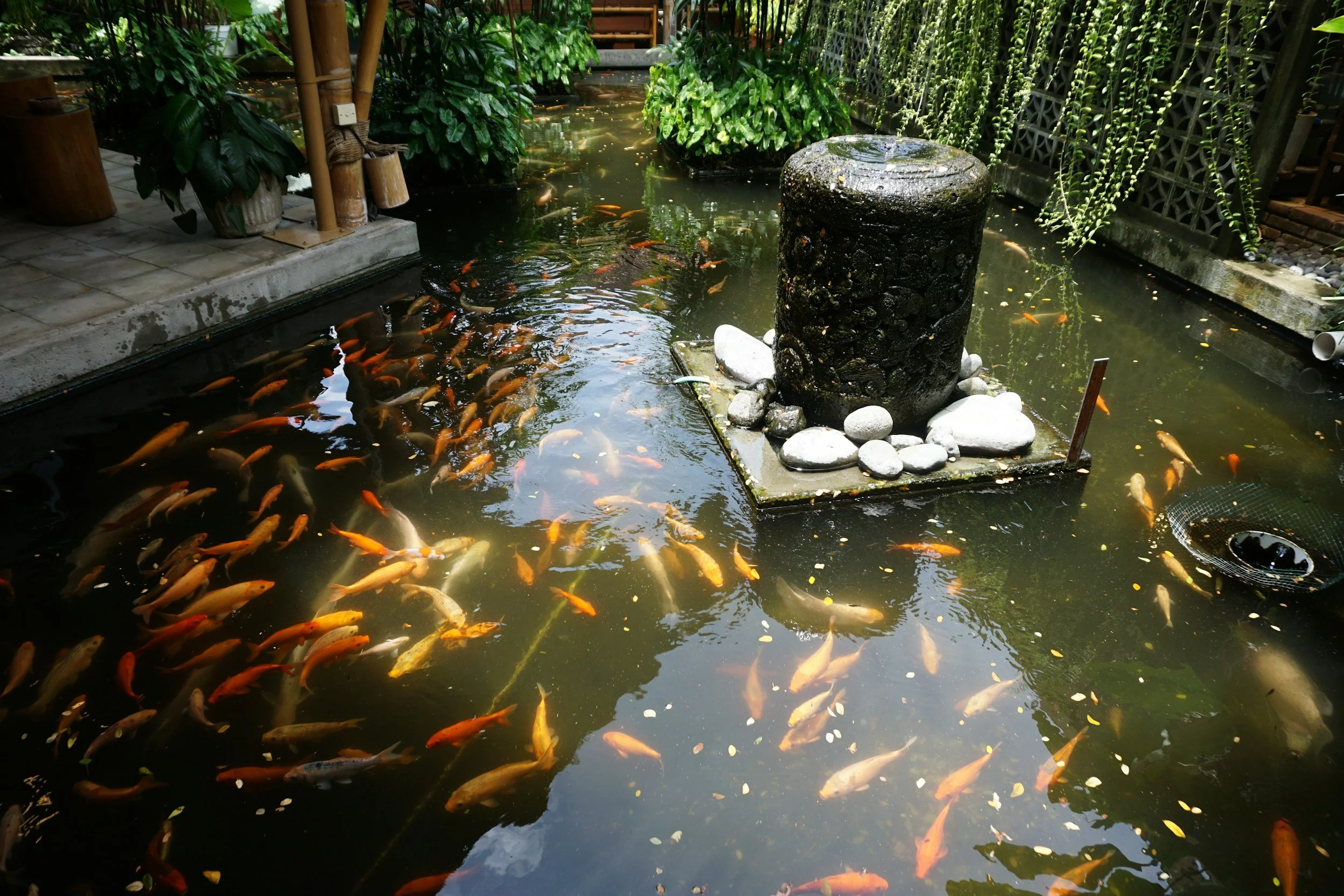
koi fish
Water quality
Filtration: Install mechanical and biological filters sized for pond volume; include a UV sterilizer to control algae and pathogens.
Aeration: Use surface mixers or aerators to maintain dissolved oxygen, especially in warm months.
Testing: Check ammonia, nitrite, nitrate, pH, and temperature twice weekly. Maintain pH 7.0–8.0, ammonia and nitrite near 0 ppm, and nitrates below 40 ppm.
Water changes: Replace 10–20% weekly or 20–30% biweekly, using dechlorinated water at matching temperature.
Pond structure and equipment
Depth and material: Ensure minimum depth of 3 feet to protect from temperature swings and predators. Use smooth, durable liners and properly sealed edges on wall installations.
Overflow and skimmers: Include skimmers and overflow drains to manage surface debris and prevent overflow.
Winterization: For cold climates, keep surface opening for gas exchange or use pond heaters/de-icers.
Feeding and nutrition
Diet: Feed high-quality koi pellets adjusted for water temperature. Reduce feeding below 50°F and stop below 40°F.
Frequency: Feed 1–2 times daily when water is 60–75°F; once daily above 75°F with smaller portions.
Avoid overfeeding: Remove uneaten food after 5 minutes to prevent waste buildup.
Health management
Quarantine: Isolate new fish for 2–4 weeks and observe for disease.
Regular inspections: Check fins, eyes, and skin weekly for parasites, ulcers, or fungus.
Treatment: Maintain basic medications on hand (antiparasitics, antibacterial) and consult a vet for serious outbreaks.
Maintenance schedule
Daily: Visual check, feed, ensure aeration.
Weekly: Water tests, remove debris, clean skimmer.
Monthly: Inspect filters and equipment; partial water change.
Proper monitoring, regular maintenance, and prompt treatment keep wall pond koi healthy and thriving.